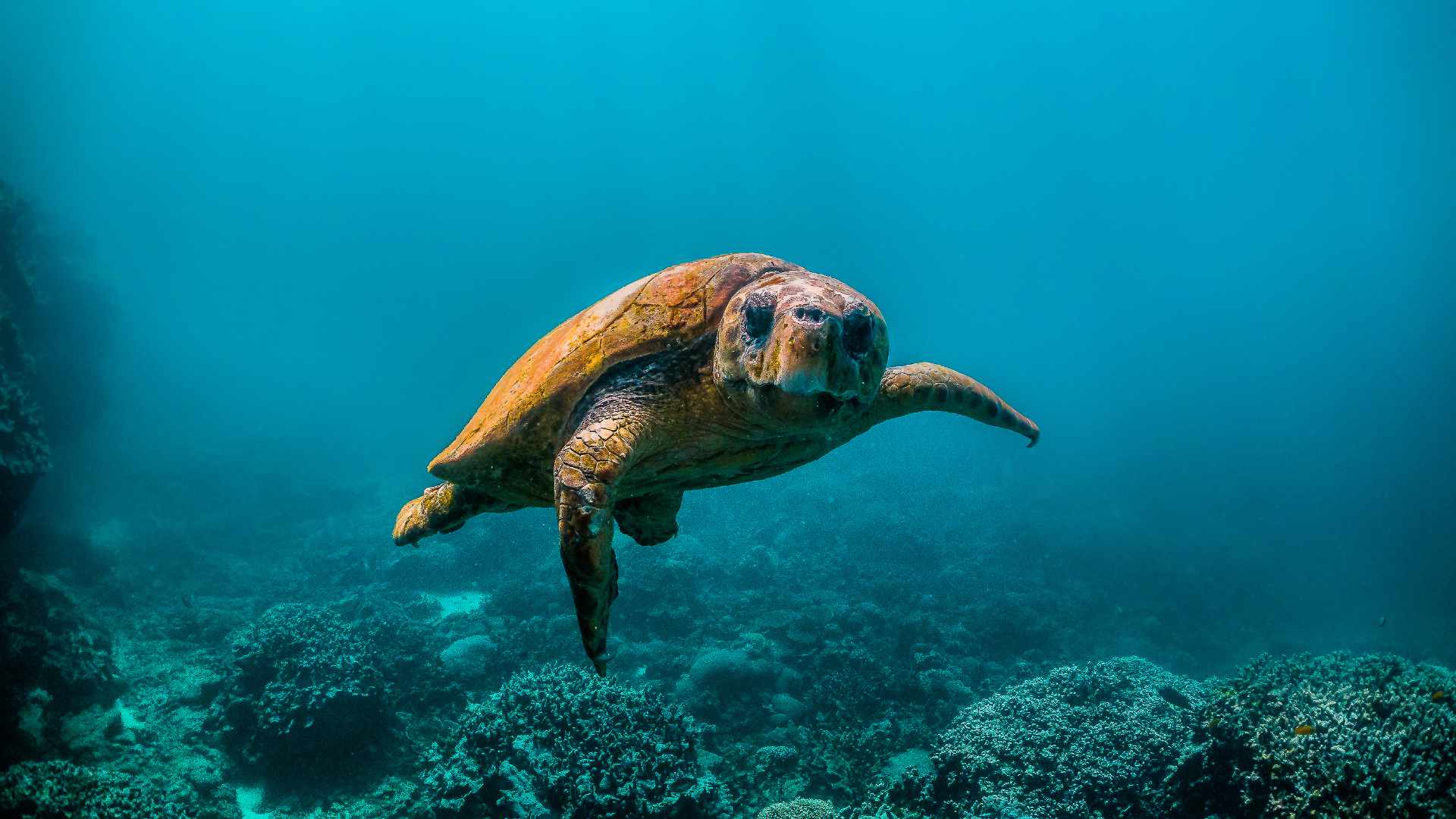
Мистерията на Панама: Защо Тихият океан е по-висок от Атлантическия?
Макар да изглежда като една огромна и свързана водна маса, Световният океан далеч не е равен. Разкриваме физиката зад...
За нас | Публикувай | Рекламирай | Бюлетин | Контакт
Изберете език
![Български [BG]](/media/mod_languages/images/bg_bg.gif "Български [BG]")
![English [EN]](/media/mod_languages/images/en_gb.gif "English [EN]")
Макар да изглежда като една огромна и свързана водна маса, Световният океан далеч не е равен. Разкриваме физиката зад...
Travel блоговете през 2026 не са отживелица, но вече не са масов формат. AI (вкл. Google AI...
Знаеш ли, че има остров, който е толкова “офлайн”, че буквално е извън туристическите маршрути, извън Instagram и извън...
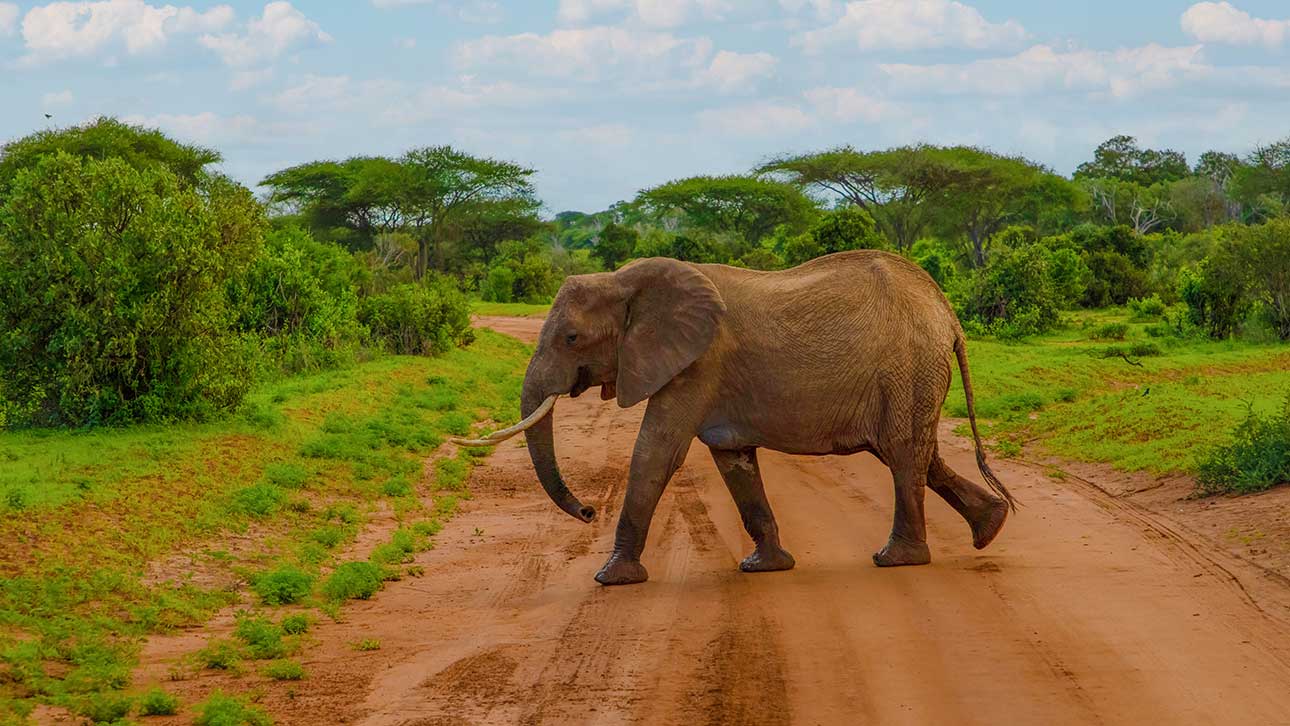
През 2026 Африка се превръща в “континента на големите кадри” – място, където travel влогърите намират едновременно...
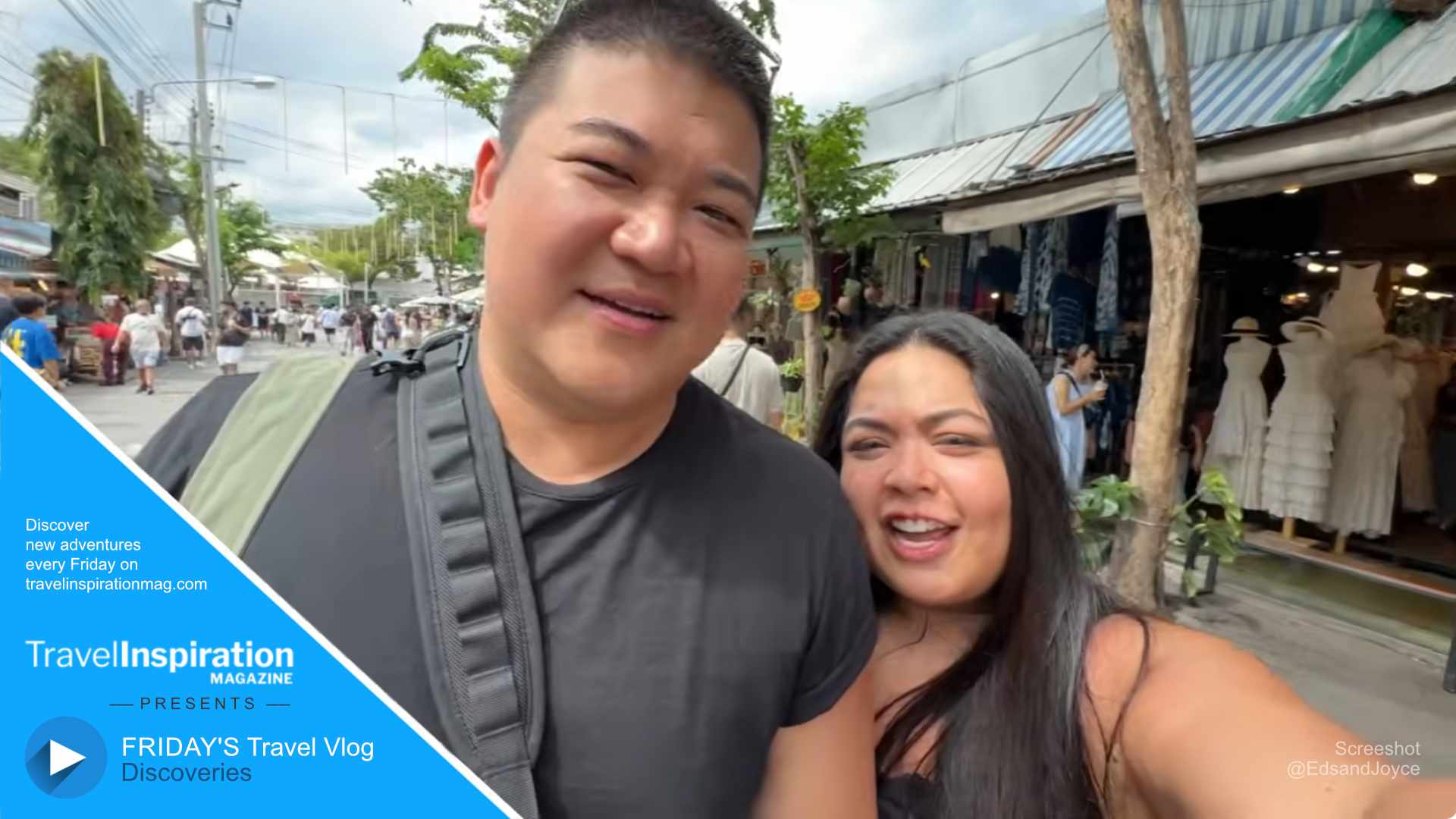
Здравей и добре дошъл във Friday’s Travel Vlog Discoveries – твоето място за най-интересните travel vloggers, свежи гледни...
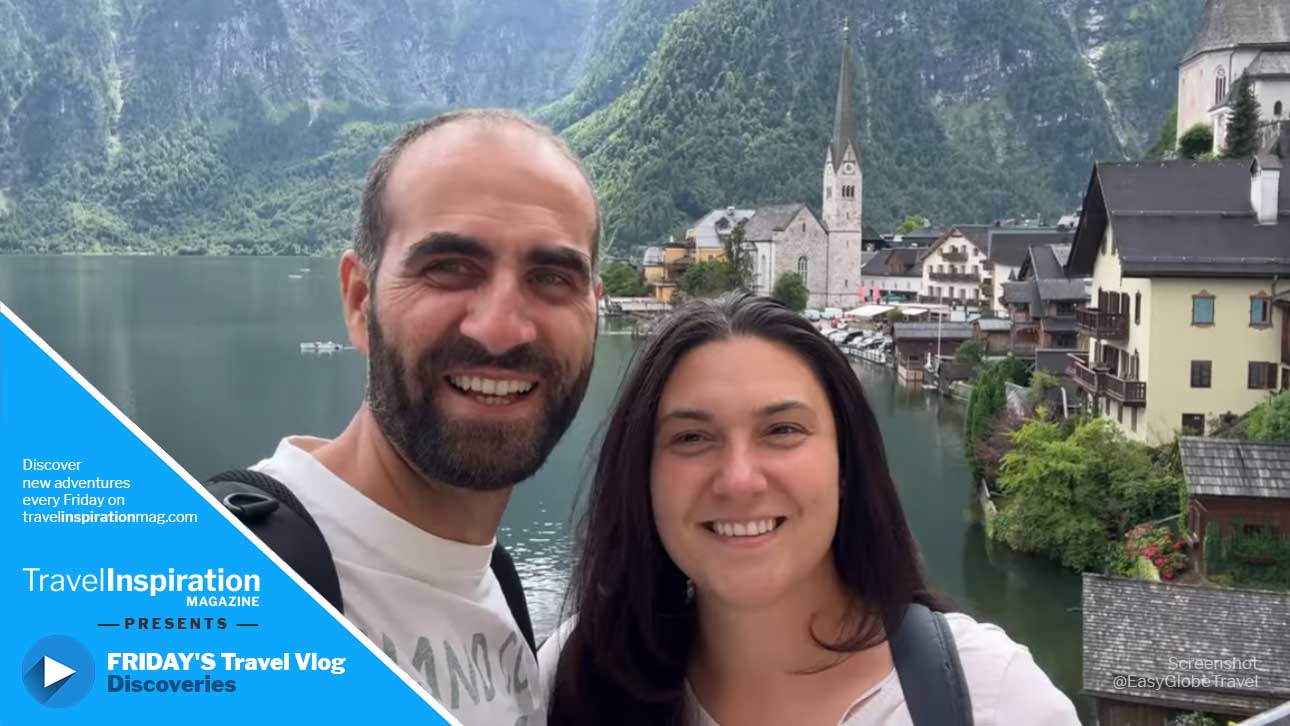
Здрасти и добре дошъл в Friday's Travel Vlog Discoveries – мястото, където те пренасяме в света на пътуващите влогъри, разказвайки ти за...
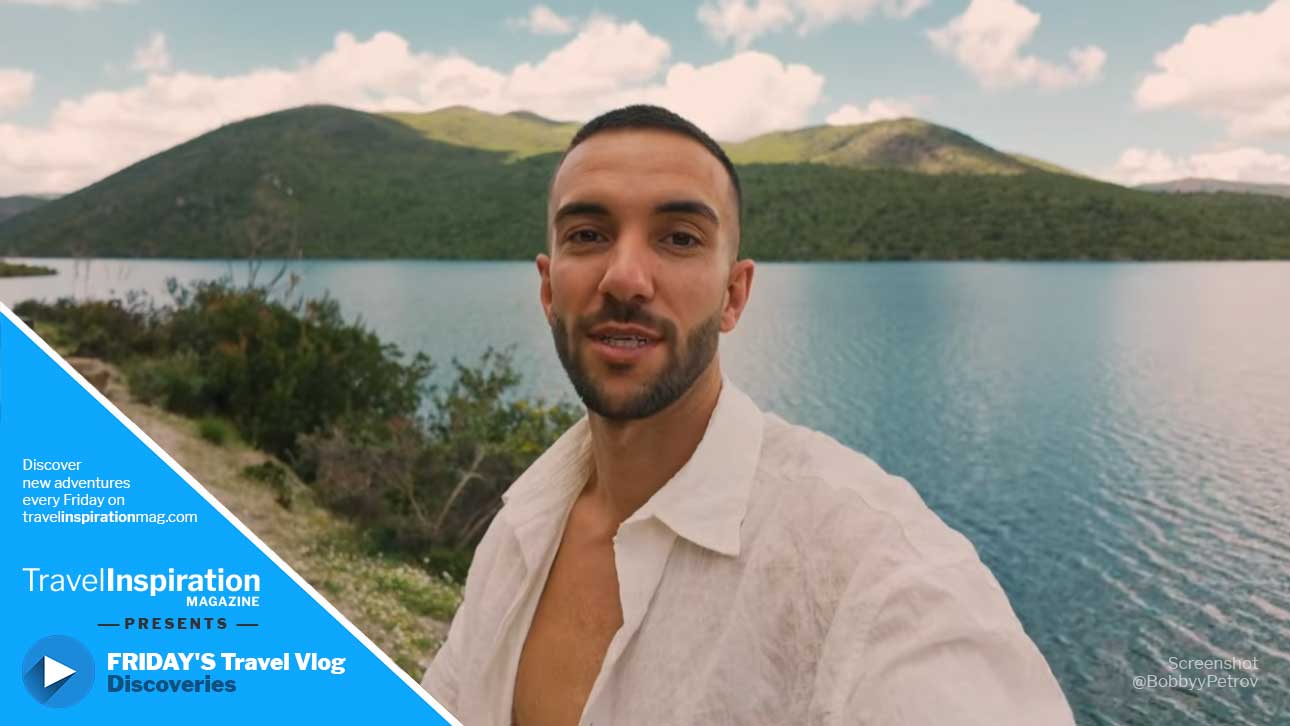
Здрасти и добре дошъл в Friday's Travel Vlog Discoveries – мястото, където всяка седмица те пренасяме в света на пътуващите...
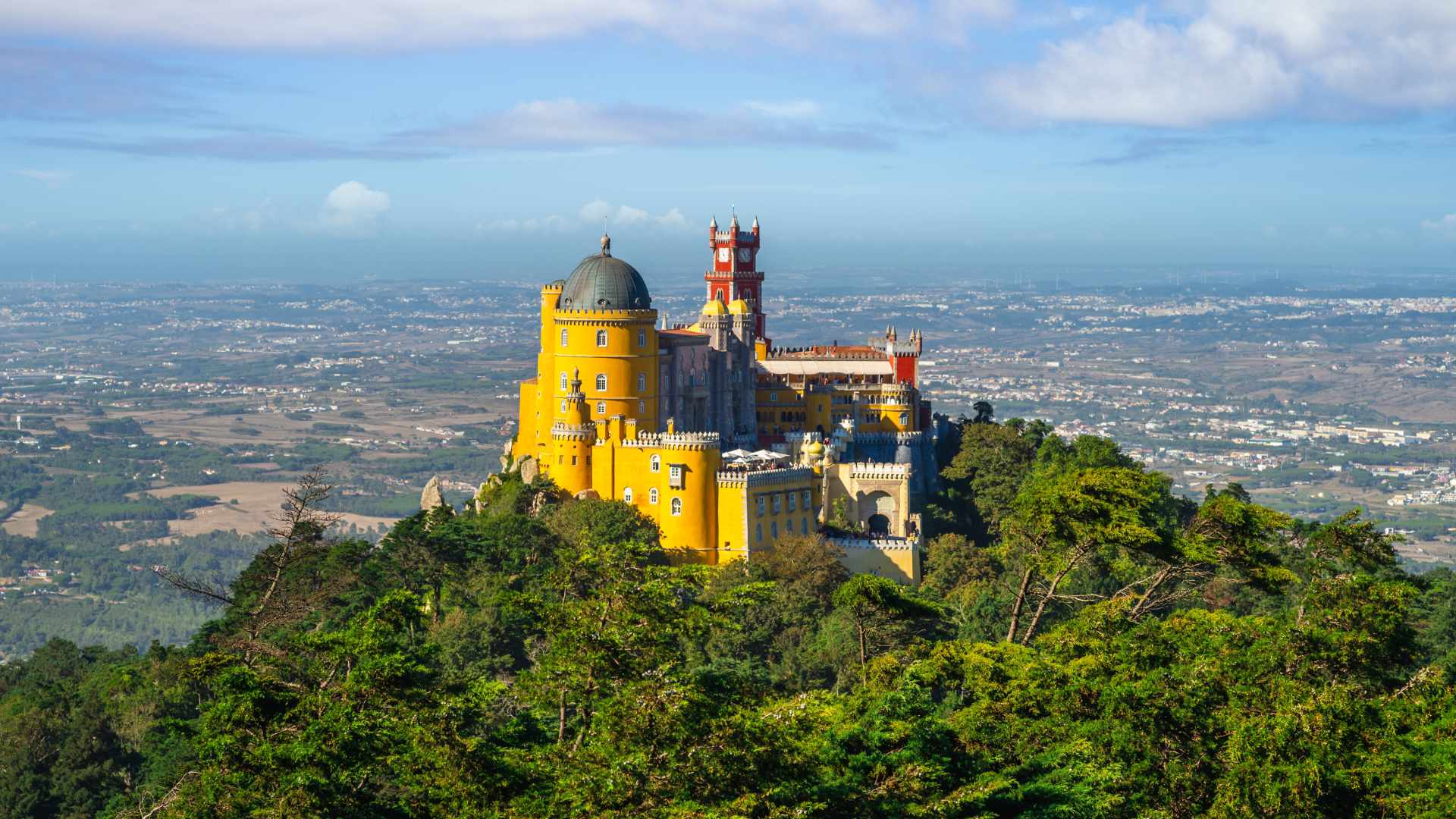
На малко повече от половин час от Лисабон, Синтра е едно от най-магическите кътчета на Европа. Тук история, култура и природа се сливат...
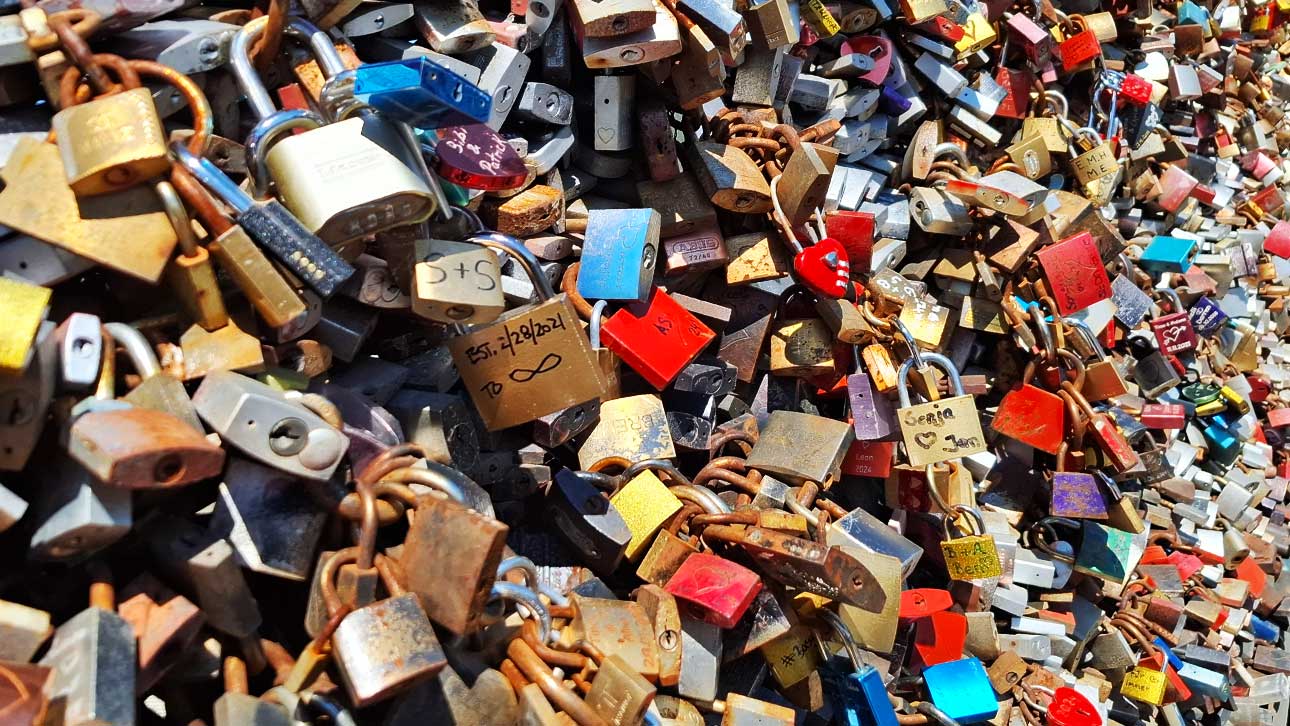
Кьолн е град, който има душа. Тук миналото и модерният дух се срещат по един особен начин – между камбанния звън на катедралата и...
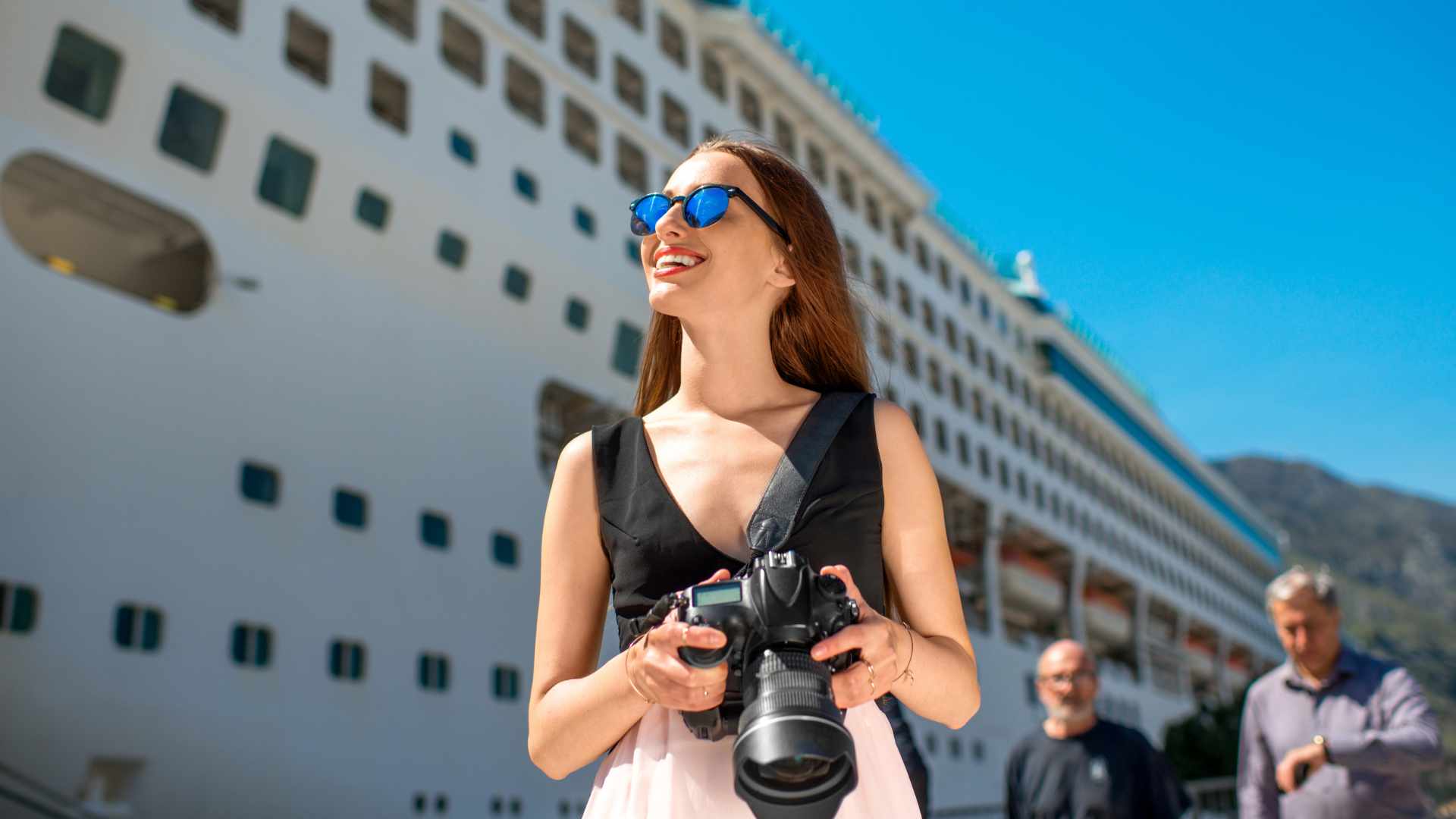
Да отплавиш към нови хоризонти винаги носи обещание за приключение. Но как да решиш – да избереш спокойствието на речен круиз, където всяко...
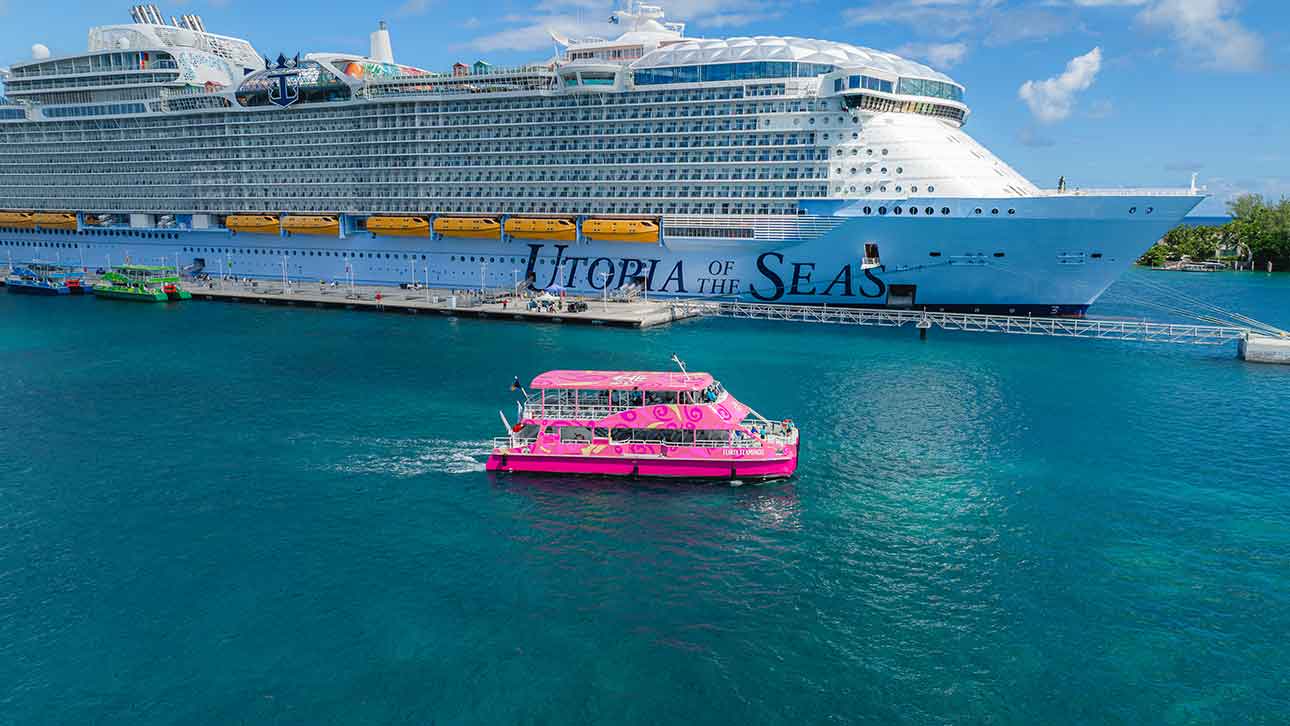
Royal Caribbean ще открие през декември 2025 г. първия по рода си Royal Beach Club Paradise Island –...
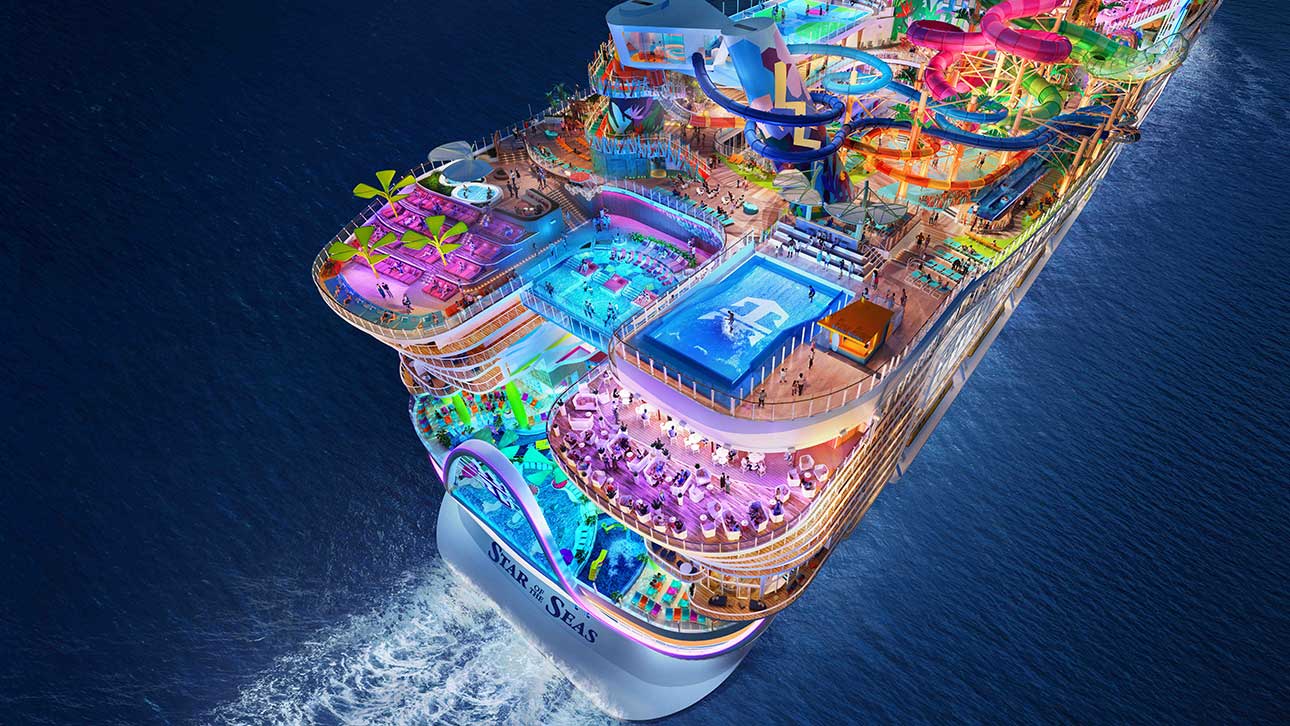
Royal Caribbean вдига летвата с невероятни шоу програми, гурме изкушения и морски приключения, които ще запомниш за цял...
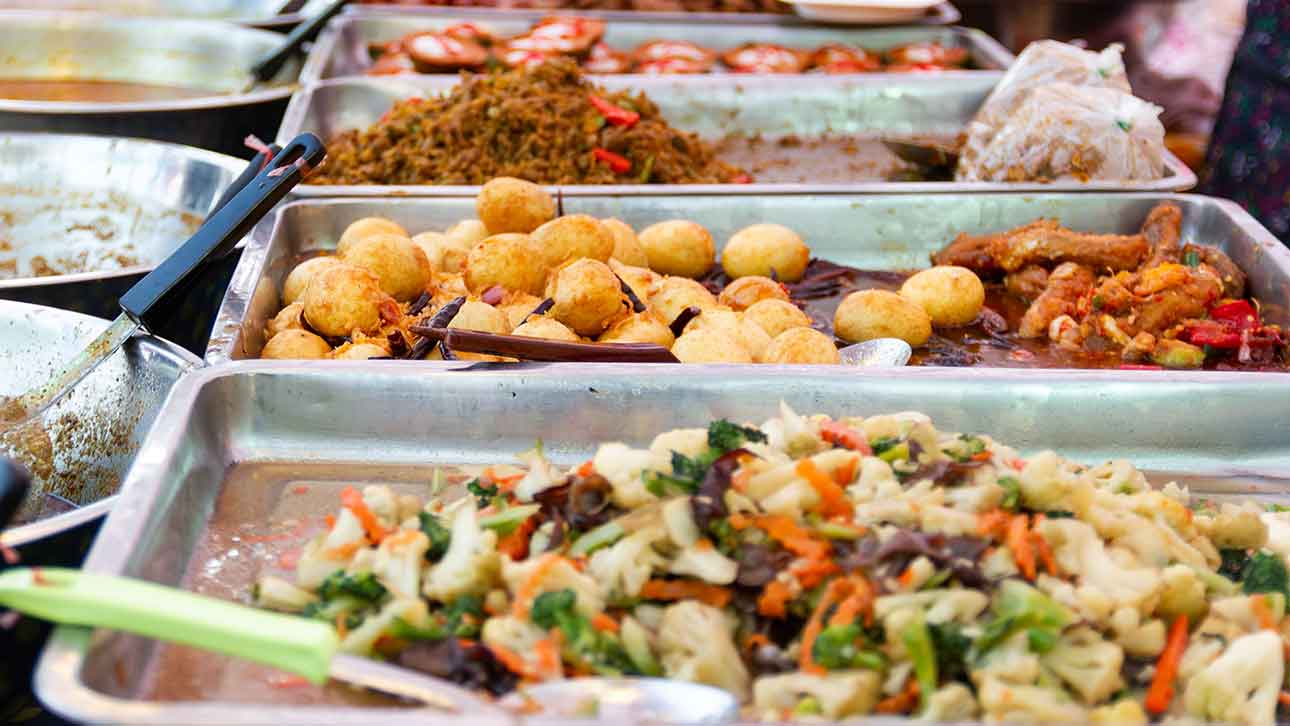
Какво да НЕ ядем в Тайланд? Това е един от най-важните въпроси за всеки турист.
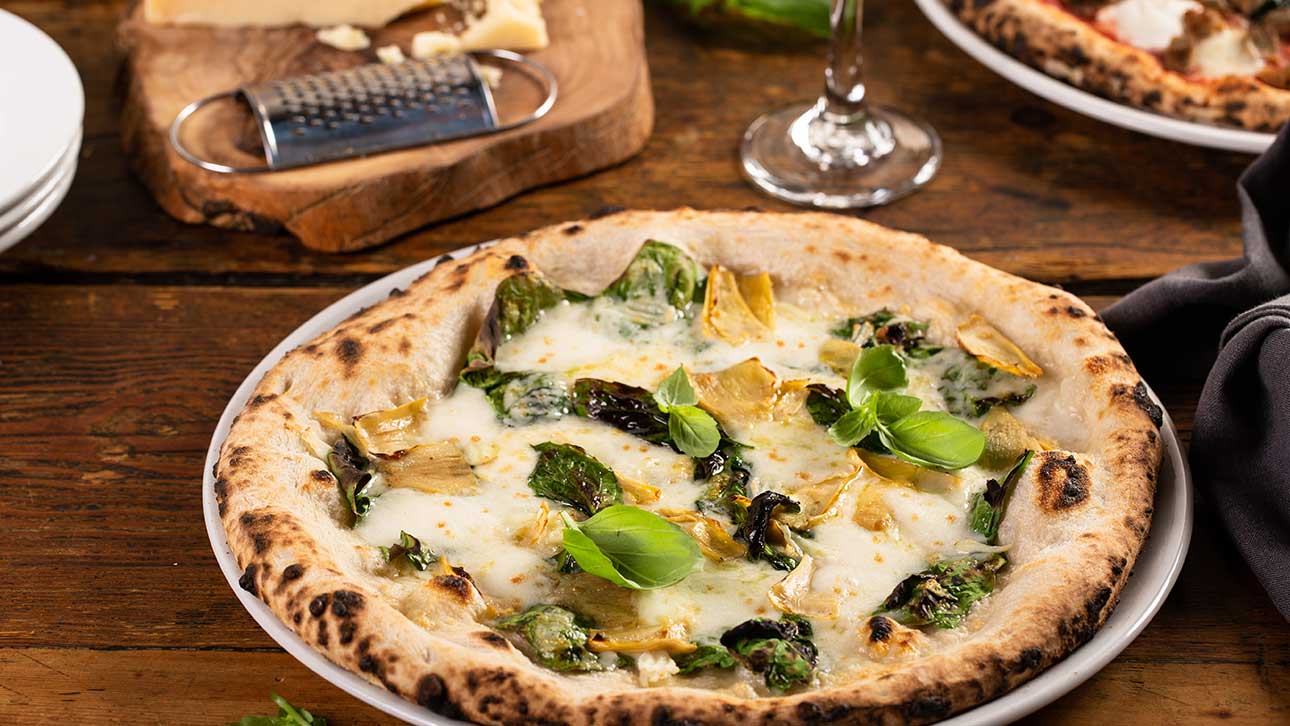
Пътуваш до Италия? И ако не искаш да се прочуеш като турист на годината, има няколко неща, които е добре да не...
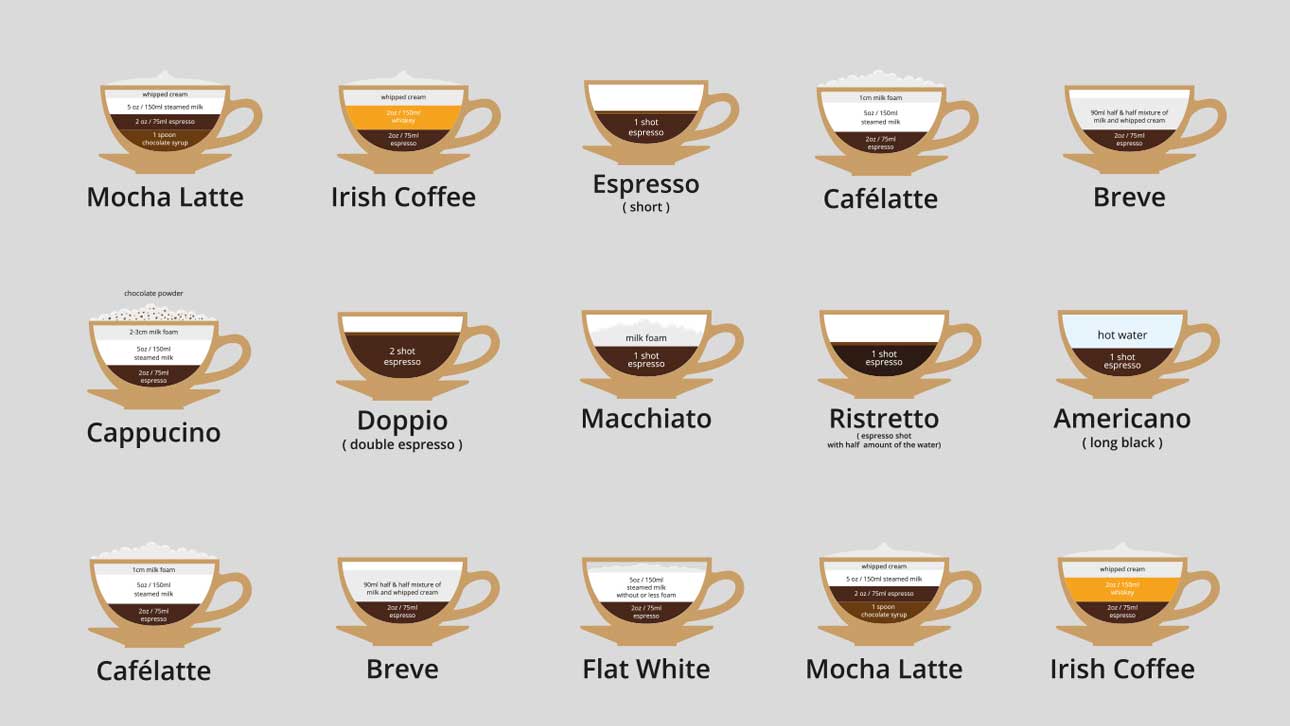
Discover the rich diversity of coffee traditions from around the globe and learn how each type is...
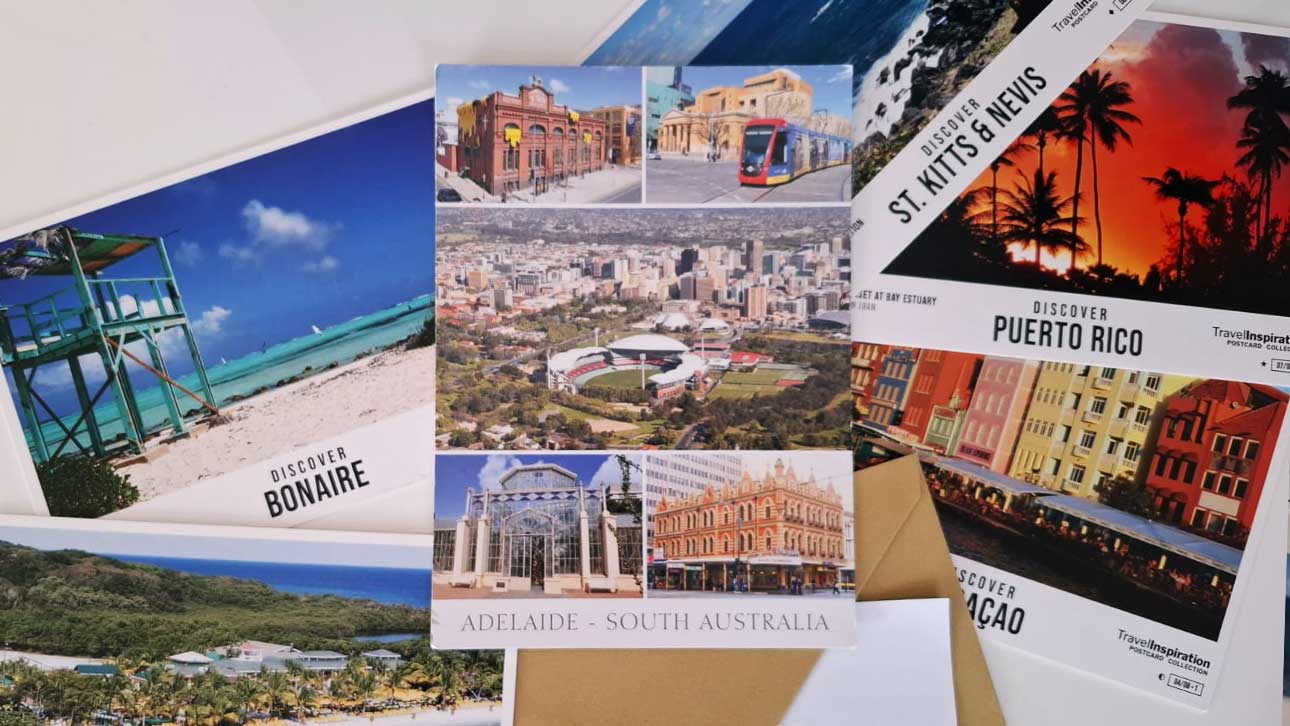
Hello dear friends, today we received a postcard from Adelaide – South Australia! Thank you,...
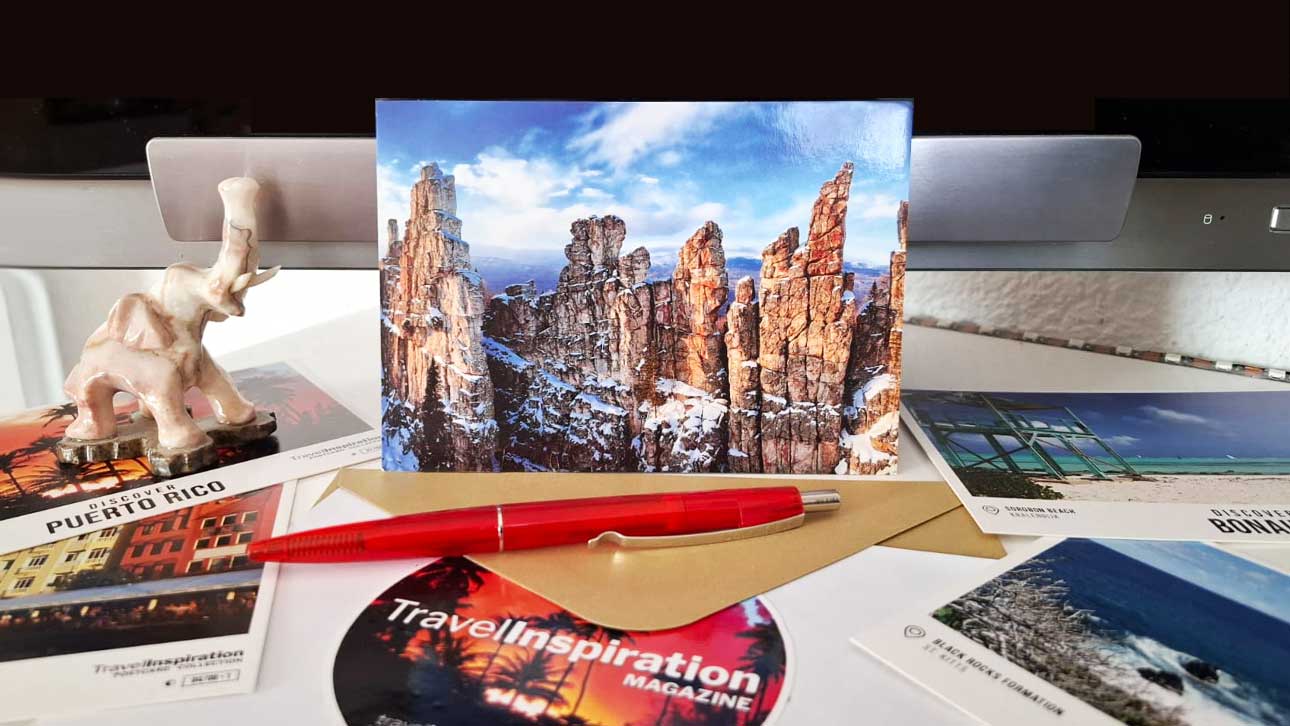
Hello, dear friends! Today, we received a beautiful postcard from Ivanevo, Russia, featuring the...
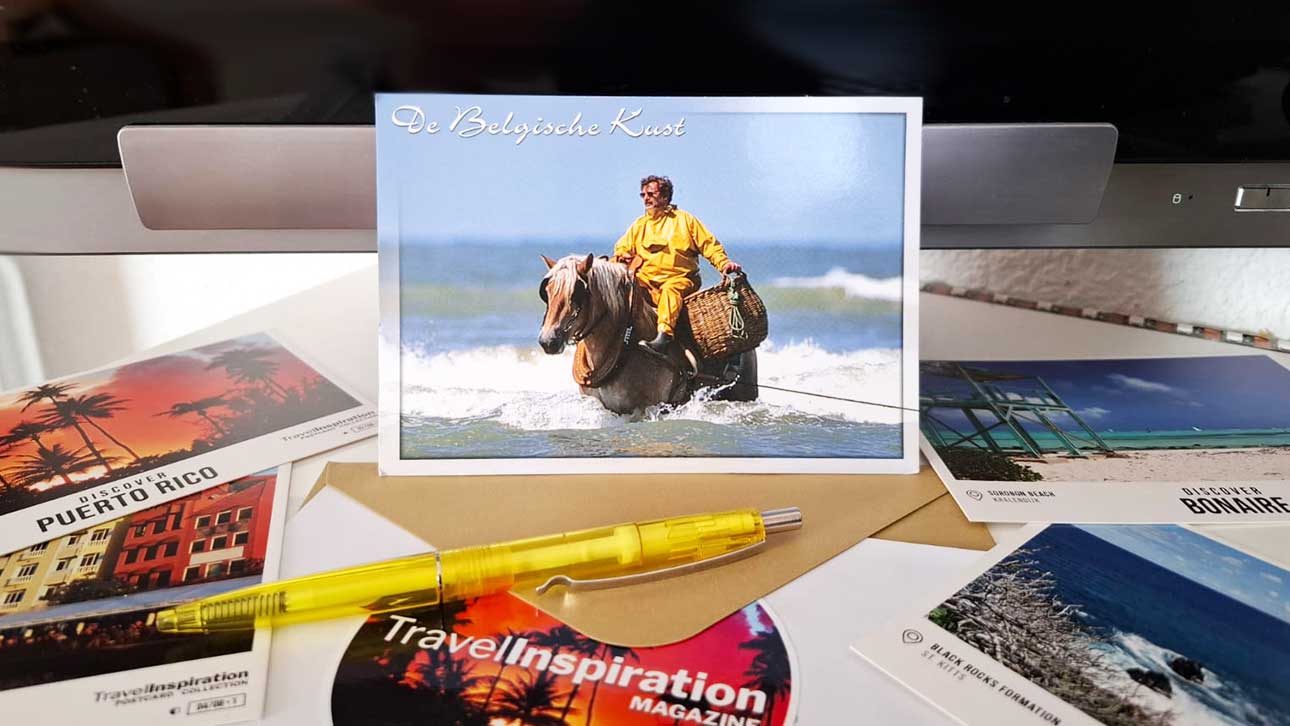
Hello, dear friends! Today, we received a beautiful postcard from Brussels, Belgium – thank you,...
Здравей! 👋 Ако имаш въпроси, идеи, бизнес предложения или желаеш да бъдем в контакт, не се колебай да се свържеш с нас:
Лице за контакт: Адела Дворакова
E-mail: adventure@travelinspirationmag.com


Здравей! 👋 Ако имаш въпроси, идеи, бизнес предложения или просто искаш да си кажем „здравей“, не се колебай да ни пишеш. Ще се радваме да се запознаем – и още повече, да те имаме като контакт в това вдъхновяващо пътешествие!
Приятно четене!
Адела Дворакова