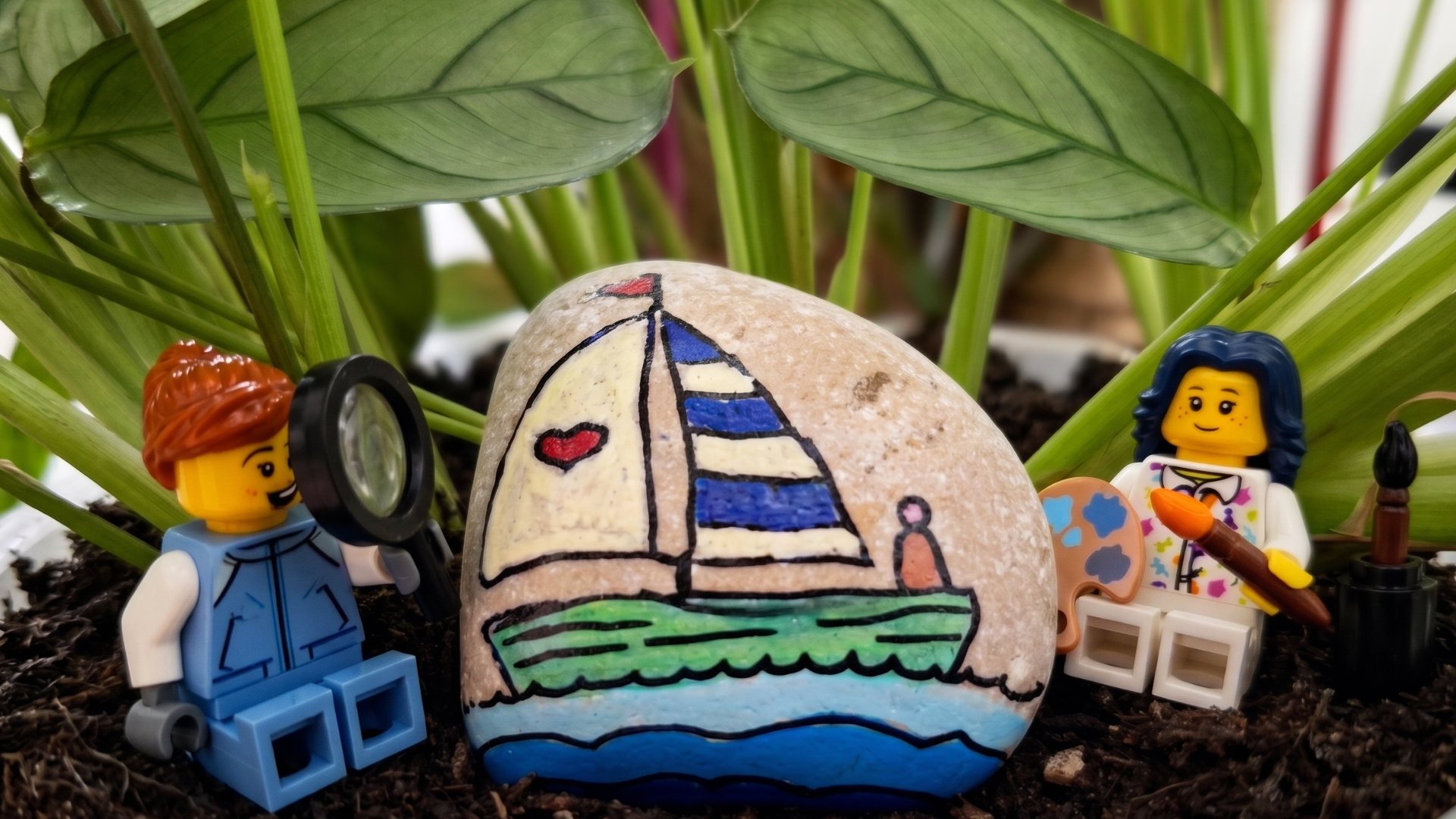
CH Rocks: How a Painted Stone Redefines the Meaning of Travel
In search of authentic emotions, the team of the online travel magazine Travel Inspiration often...
About Us | Get Published | Advertise | Newsletter | Contact
Select your language
![Български [BG]](/media/mod_languages/images/bg_bg.gif "Български [BG]")
![English [EN]](/media/mod_languages/images/en_gb.gif "English [EN]")
In search of authentic emotions, the team of the online travel magazine Travel Inspiration often...
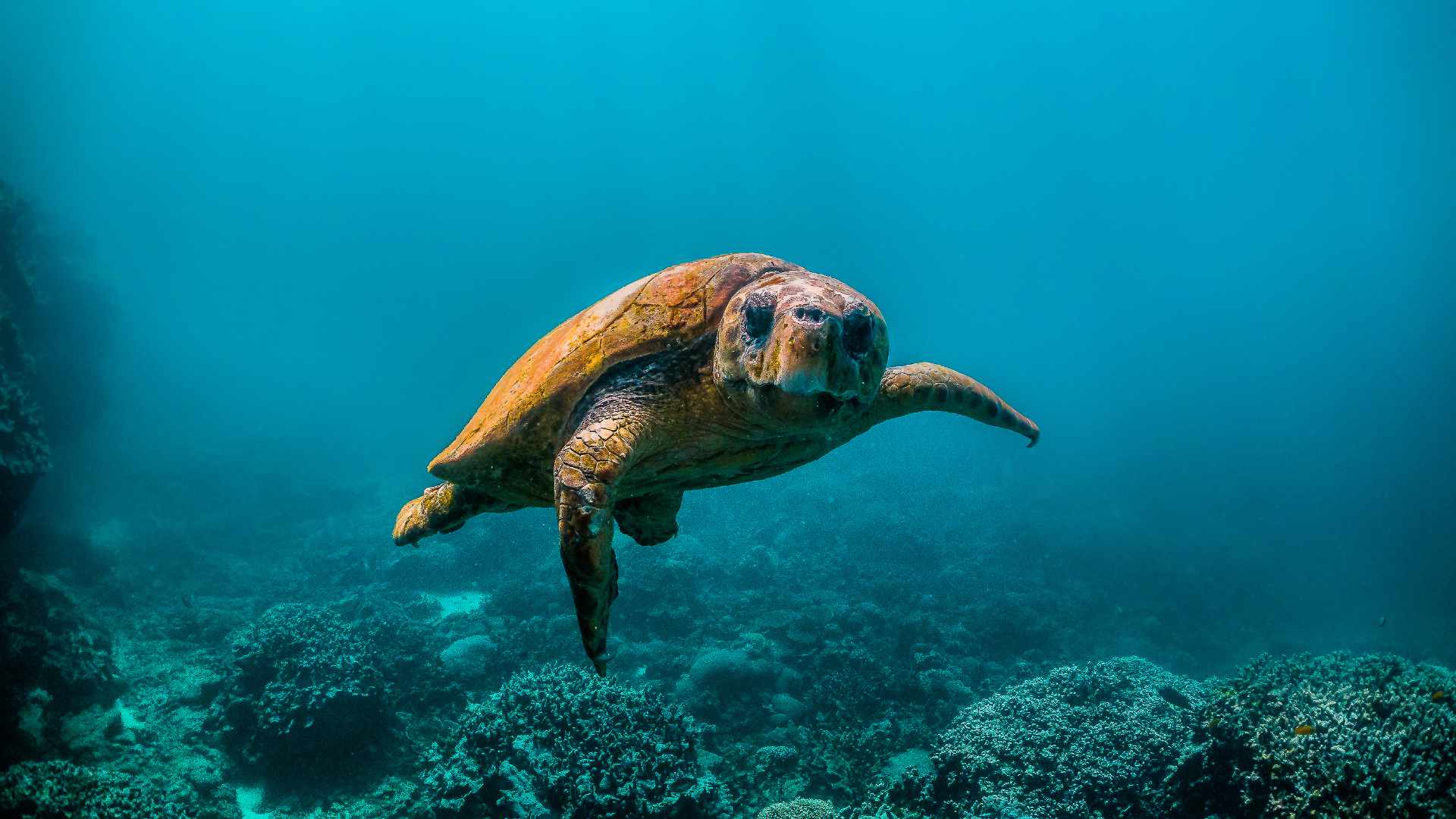
Although it appears to be one vast, connected body of water, the World Ocean is far from level. We...
Travel blogs in 2026 are not obsolete, but they are no longer a mass format. AI (including Google...
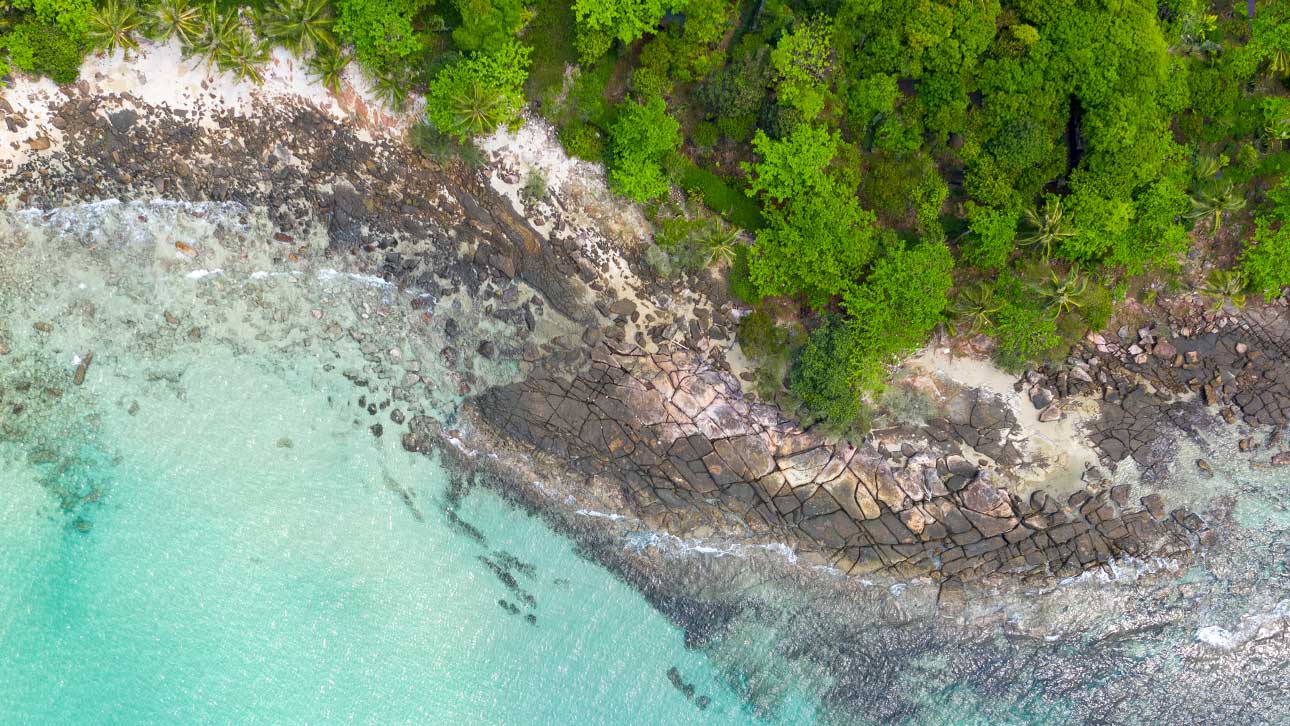
Did you know there is an island so completely “offline” that it exists outside tourist routes,...
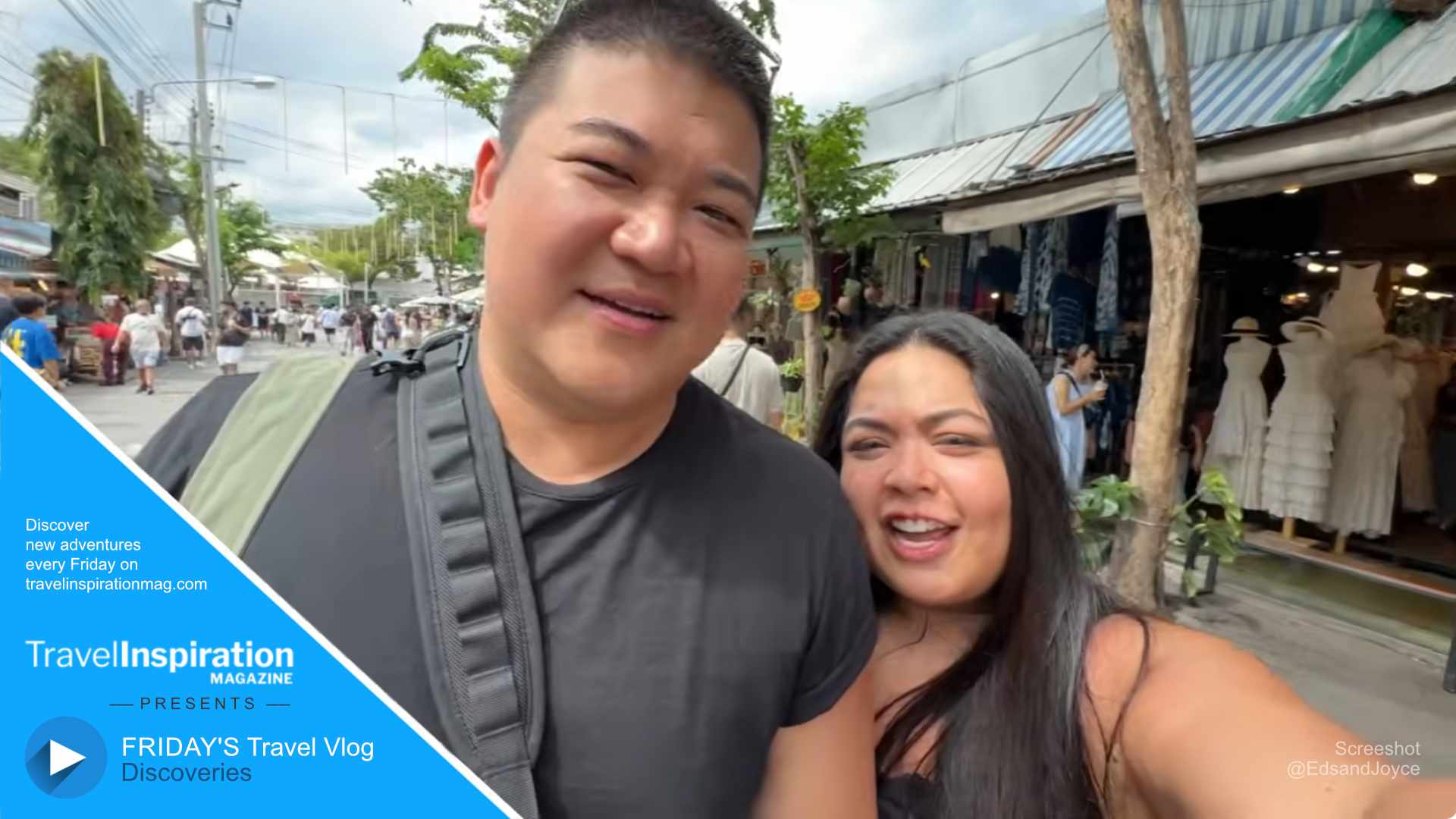
Hello and welcome to Friday’s Travel Vlog Discoveries – your go-to place for the most fascinating...
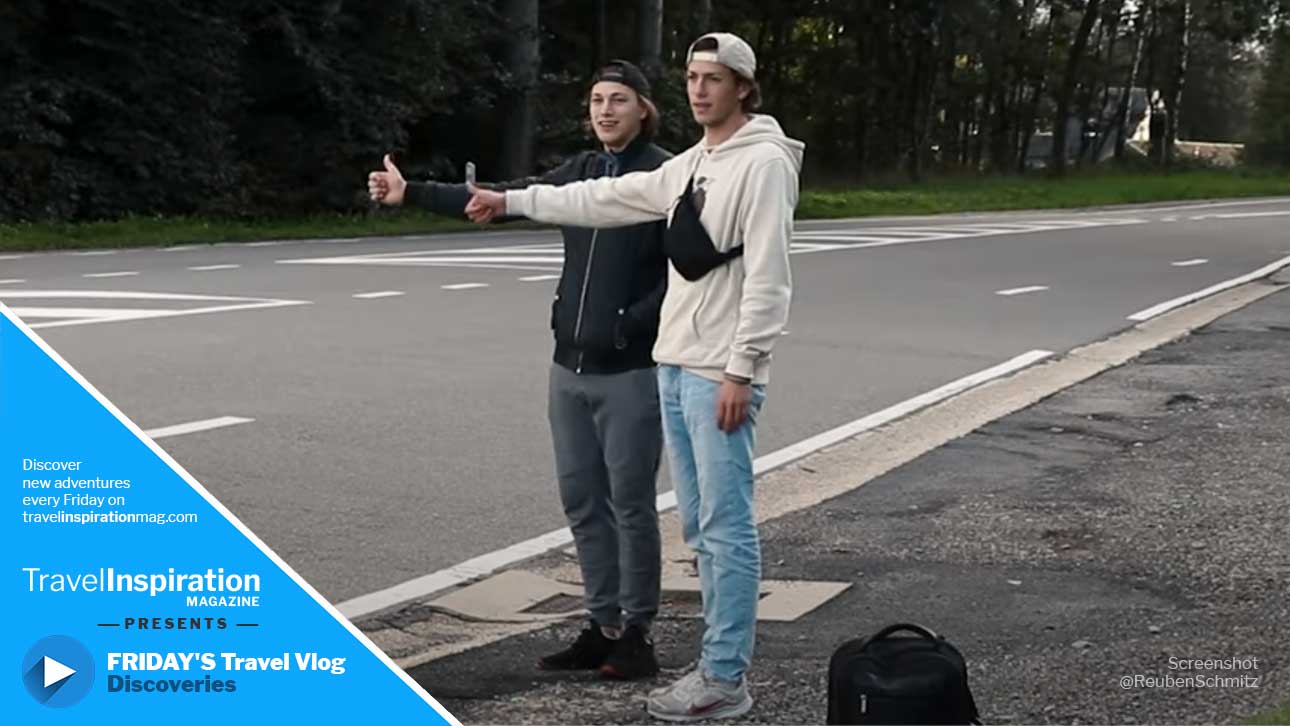
This week, we spotlight the inspiring travel vlogs of Reuben Schmitz, a 22-year-old adventurer...
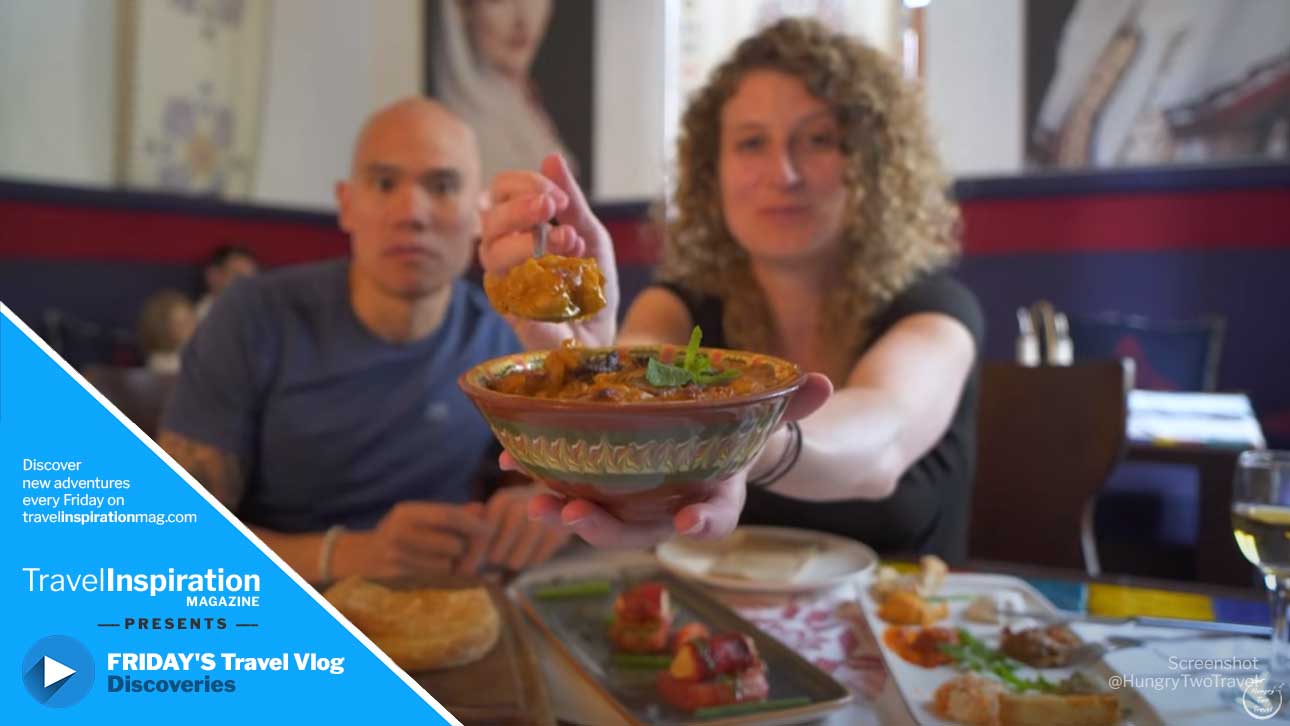
This week, we’re thrilled to introduce Nicole and Joey, the adventurous couple behind Our Tiny...
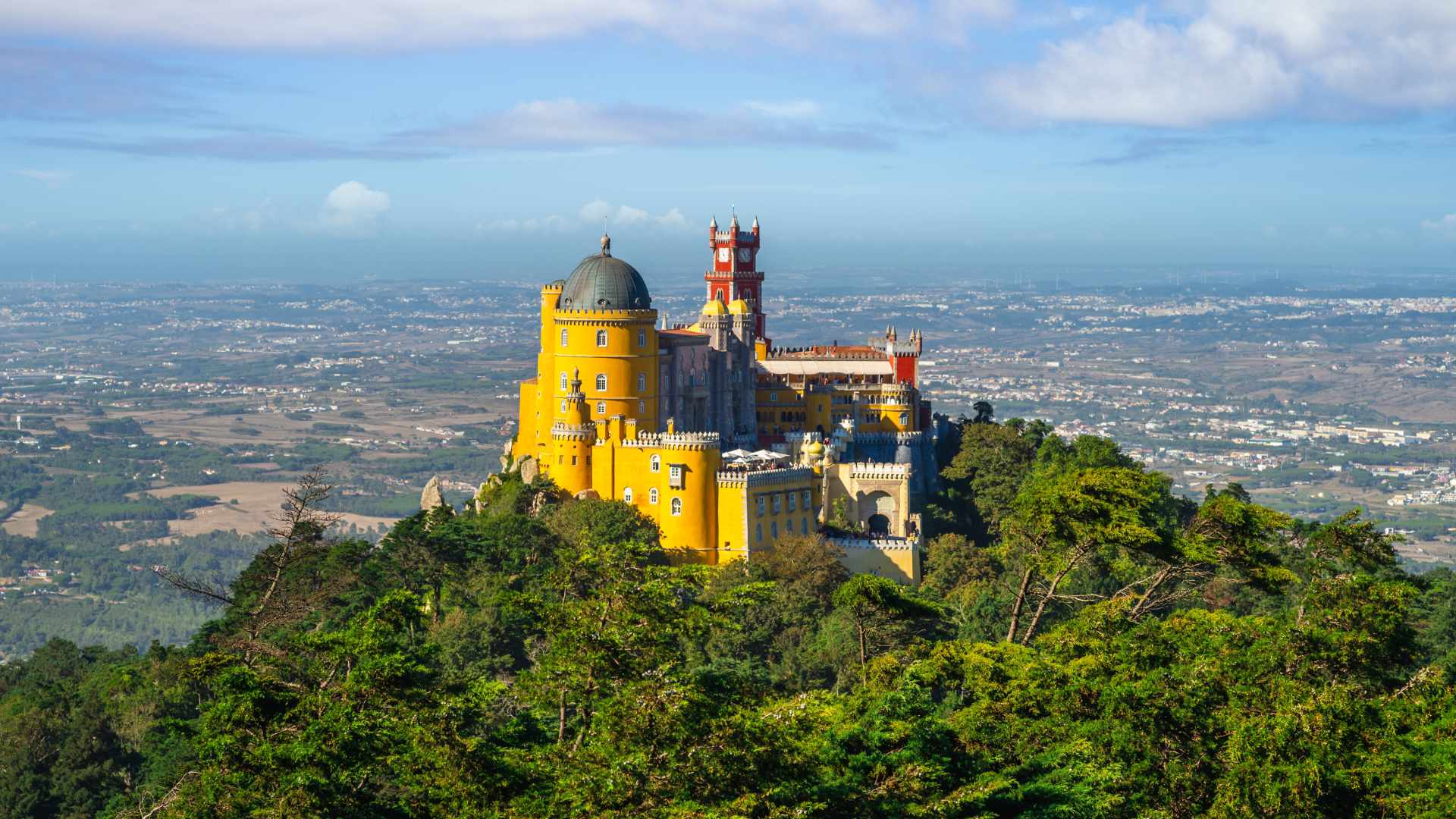
Just over half an hour from Lisbon, Sintra is one of the most magical corners of Europe. Here,...
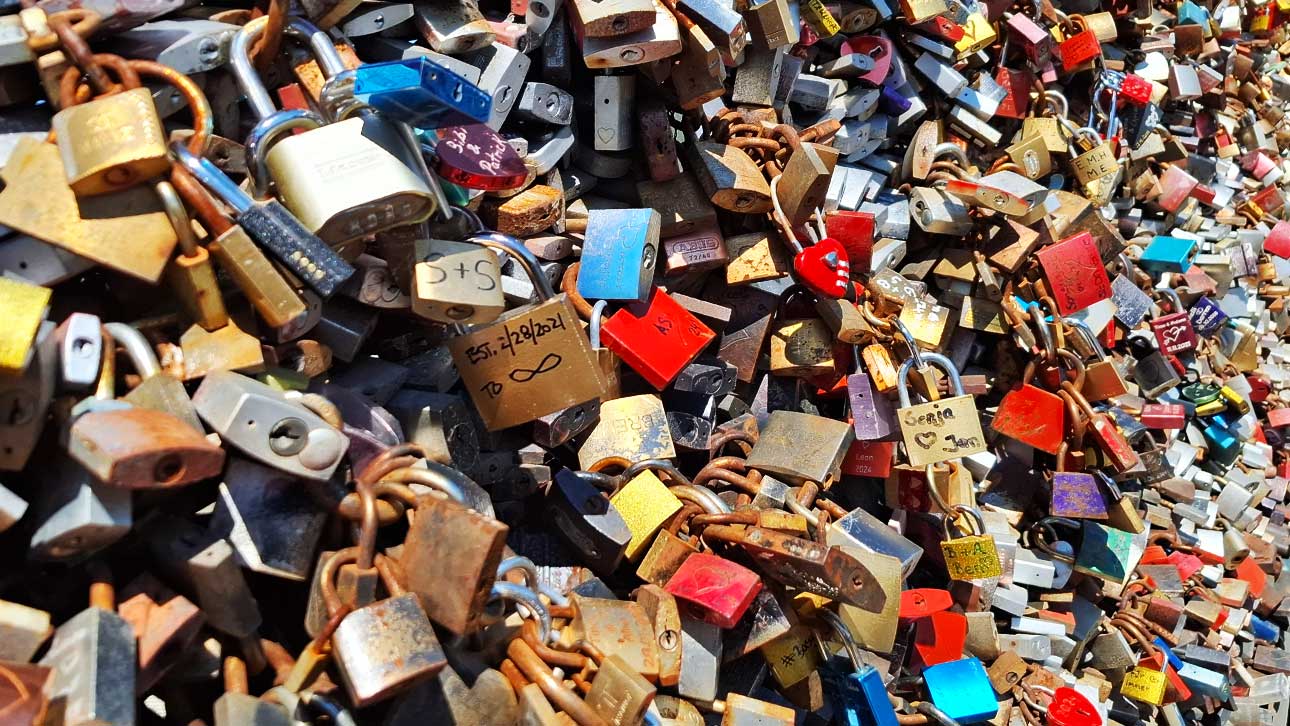
Cologne is a city with a soul. Here, the past and the modern spirit meet in a unique way – between the...
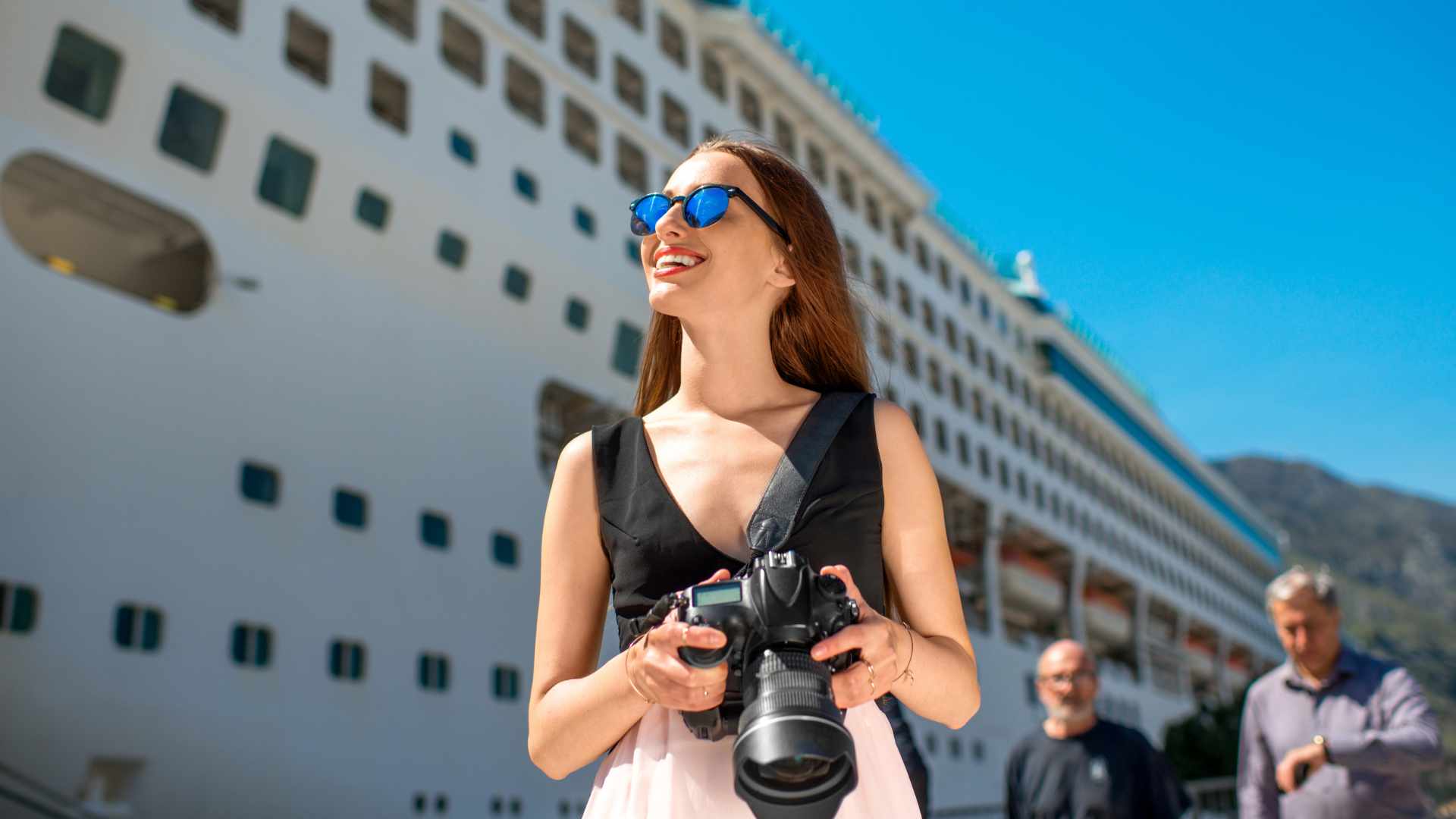
Setting sail toward new horizons always carries the promise of adventure. But when you start...
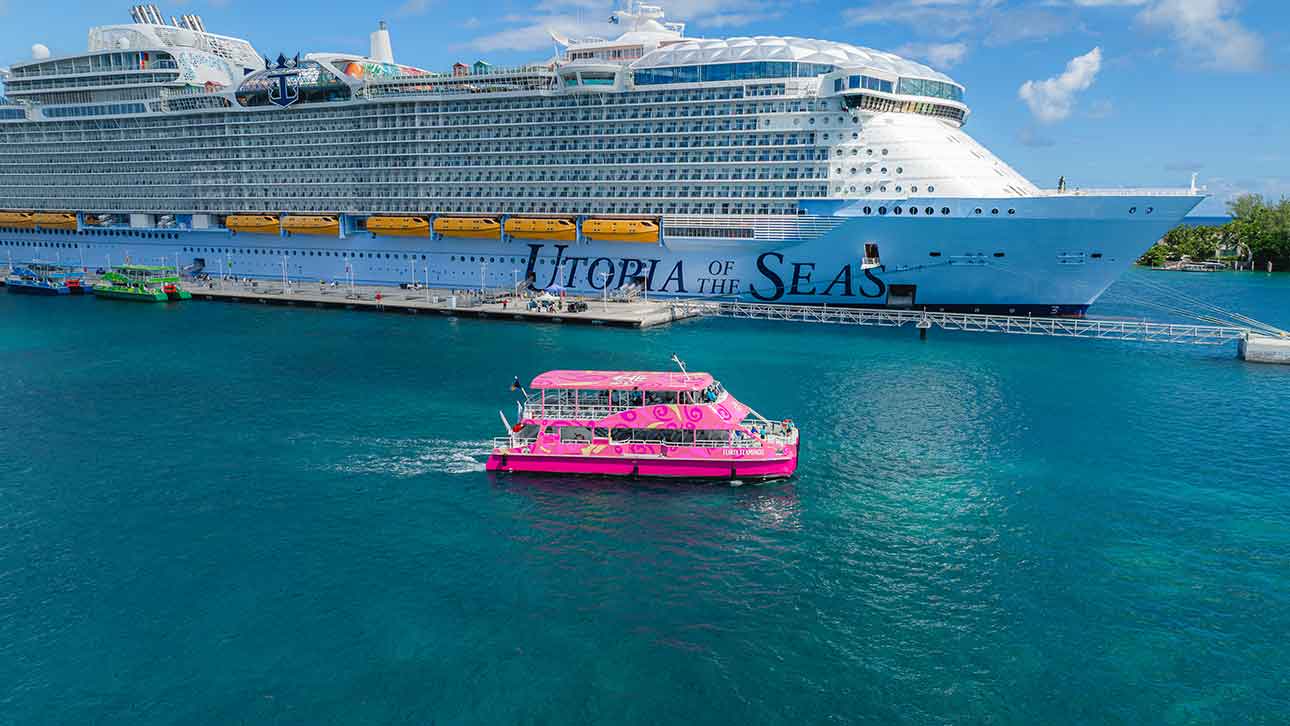
Royal Caribbean will open in December 2025 its first-ever Royal Beach Club Paradise Island – a...
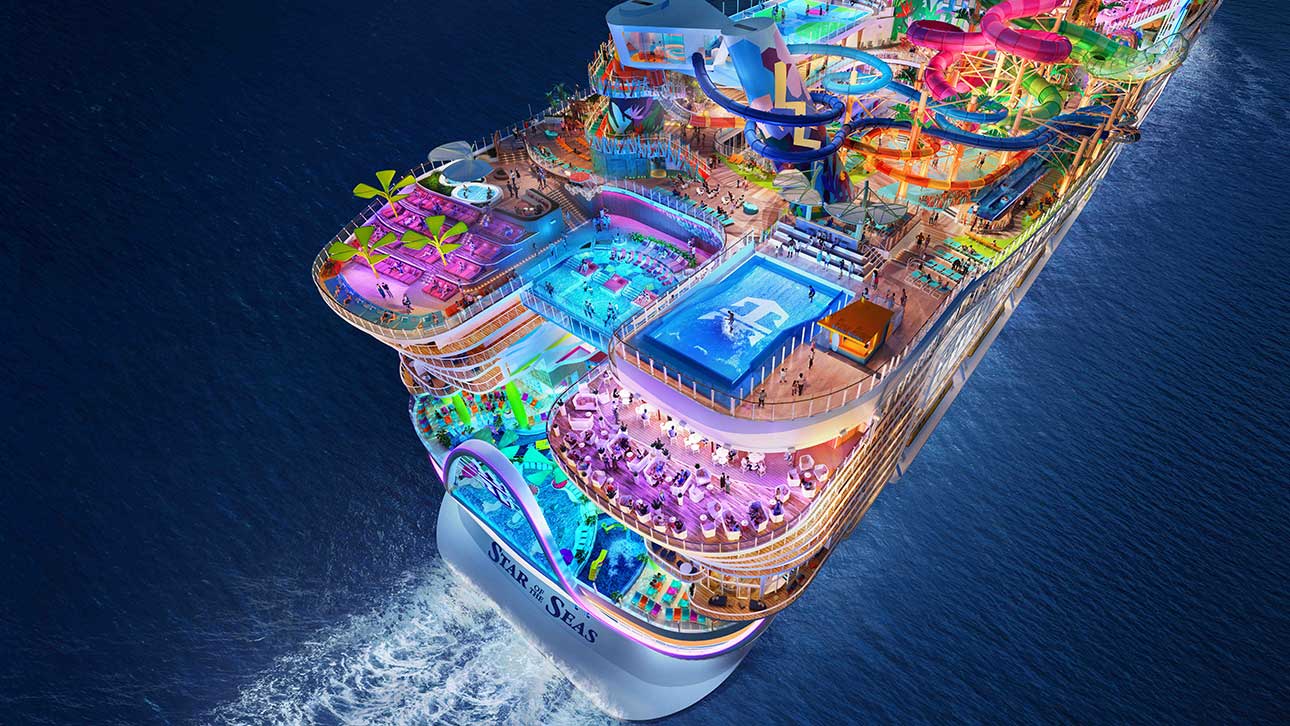
Royal Caribbean raises the bar with incredible show programs, gourmet delights, and unforgettable...
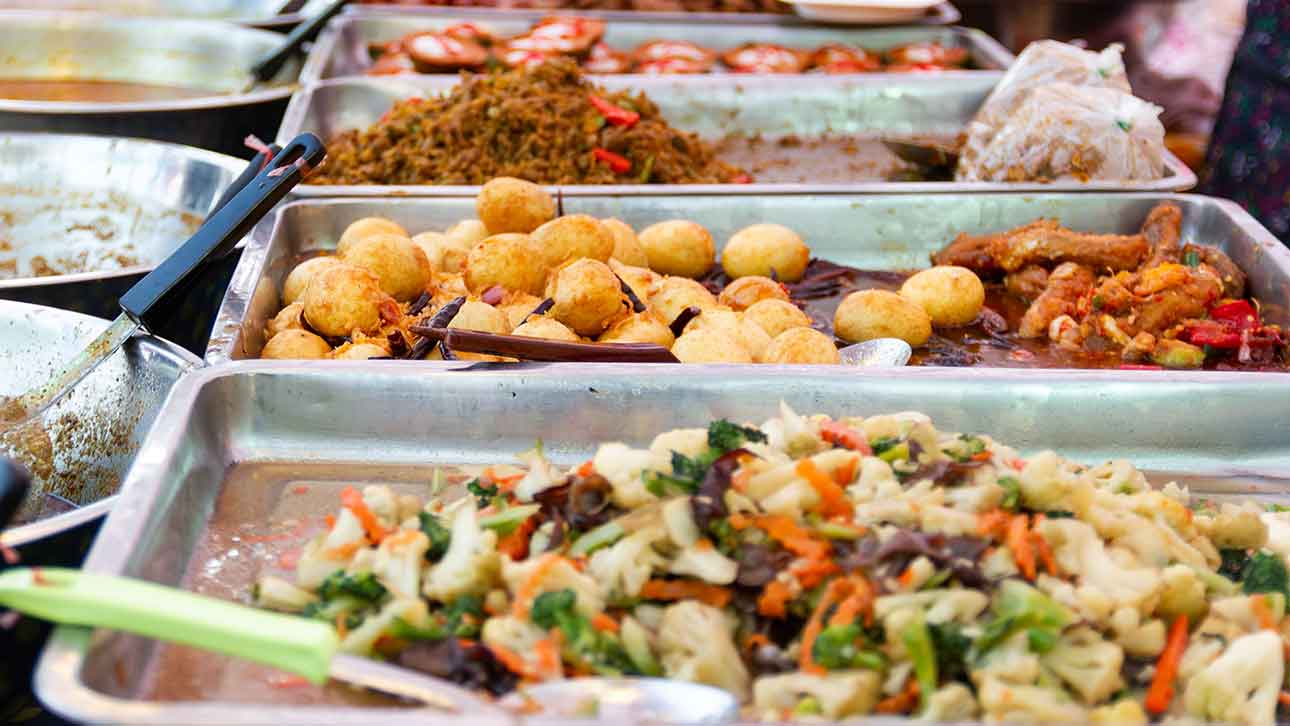
What NOT to eat in Thailand? This is one of the most important questions for every traveler.
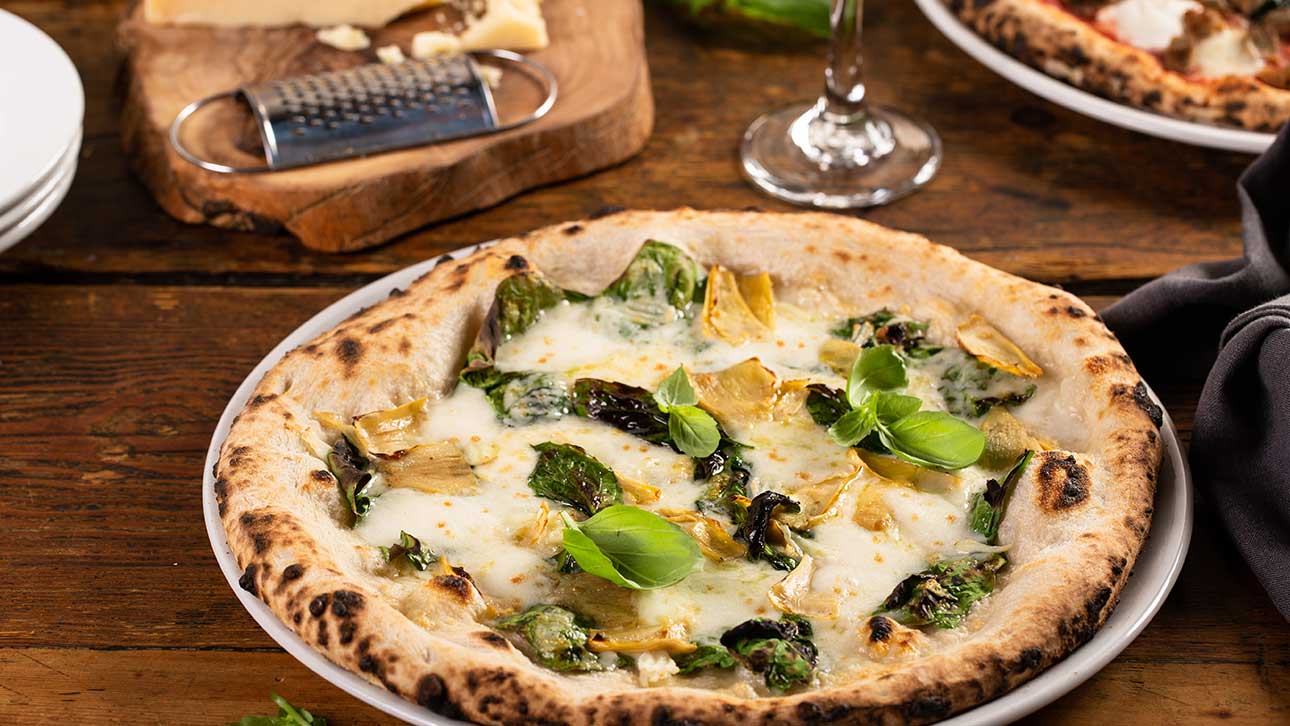
Planning a trip to Italy? If you don’t want to be remembered as "Tourist of the Year", there are a...
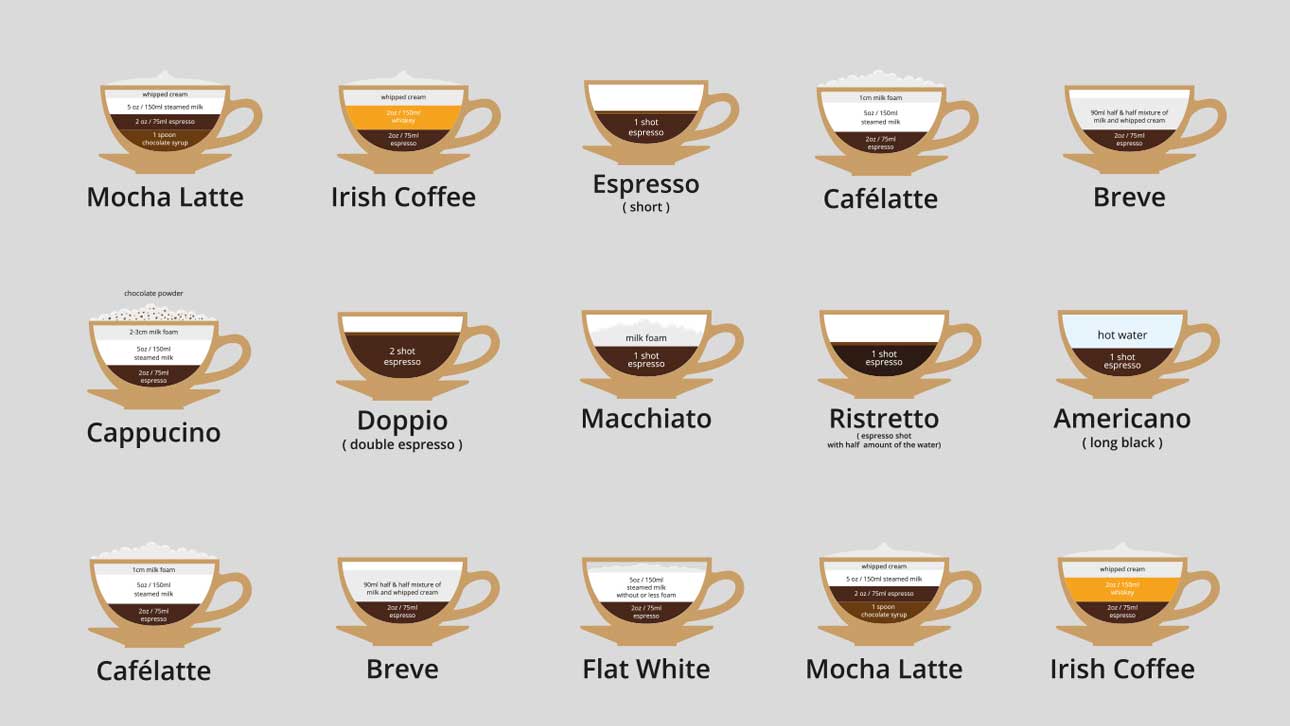
Discover the rich diversity of coffee traditions from around the globe and learn how each type is...
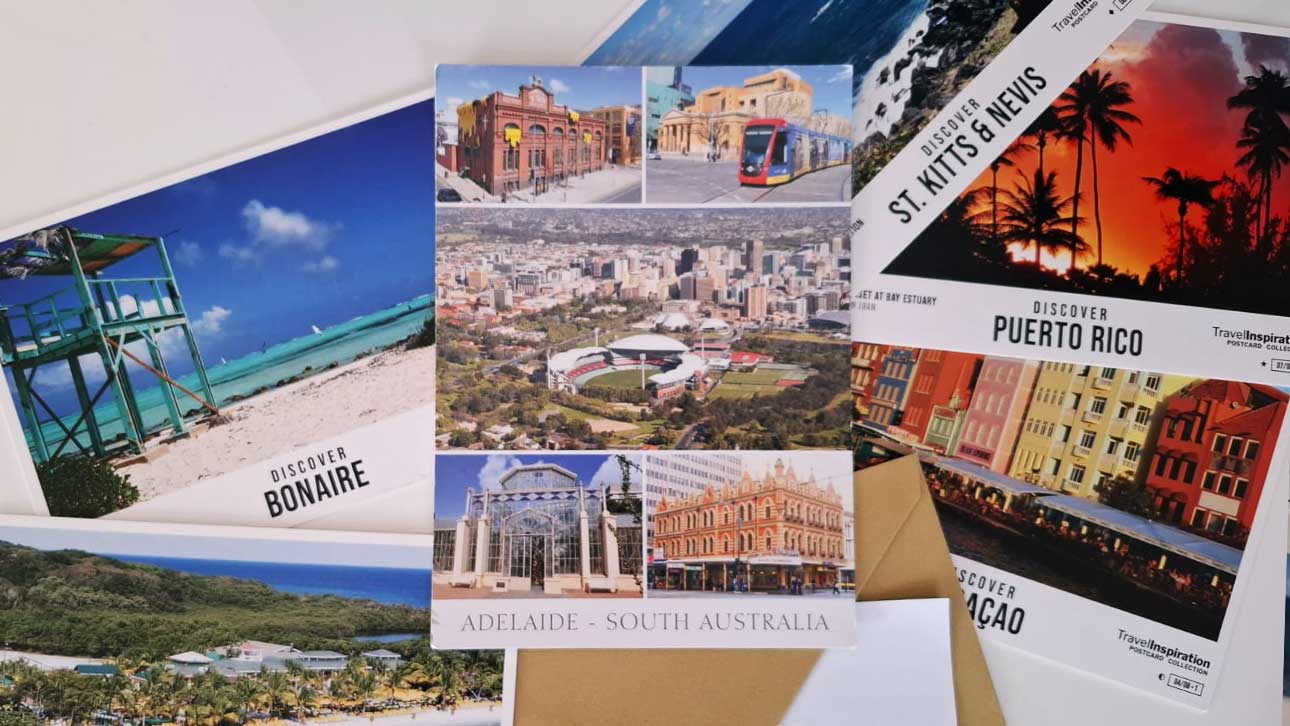
Hello dear friends, today we received a postcard from Adelaide – South Australia! Thank you,...
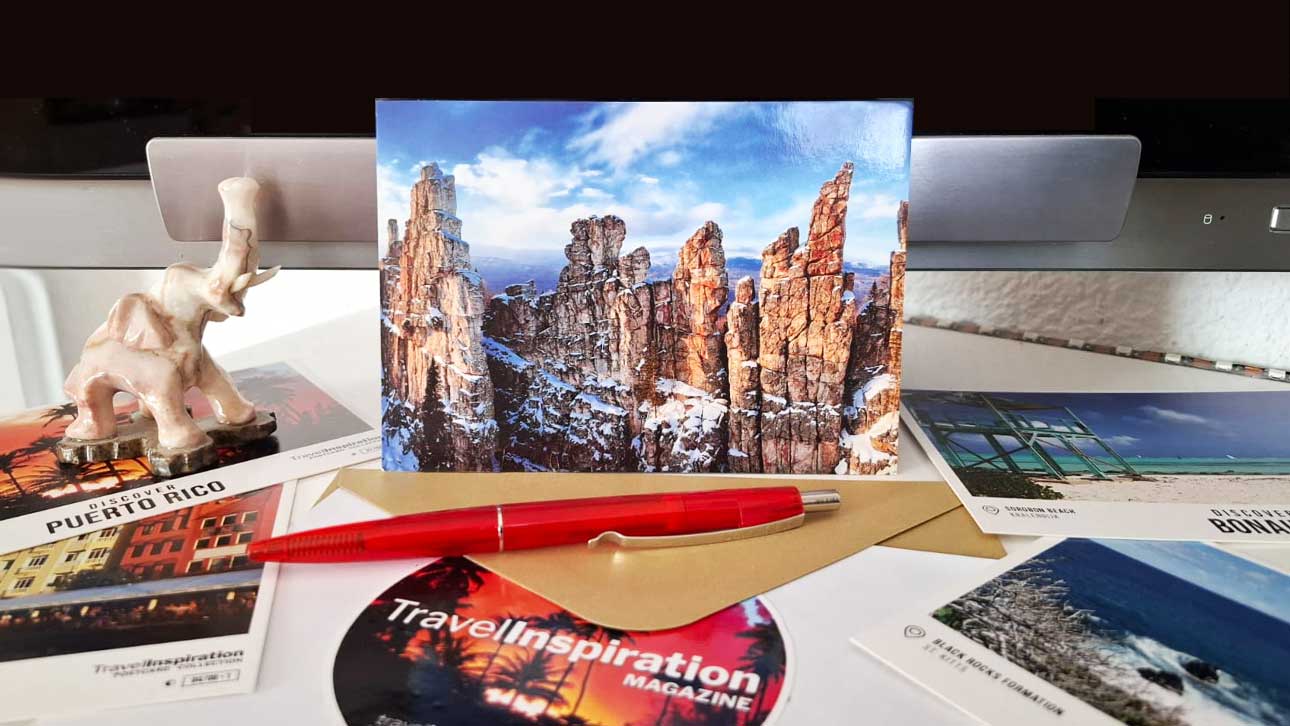
Hello, dear friends! Today, we received a beautiful postcard from Ivanevo, Russia, featuring the...
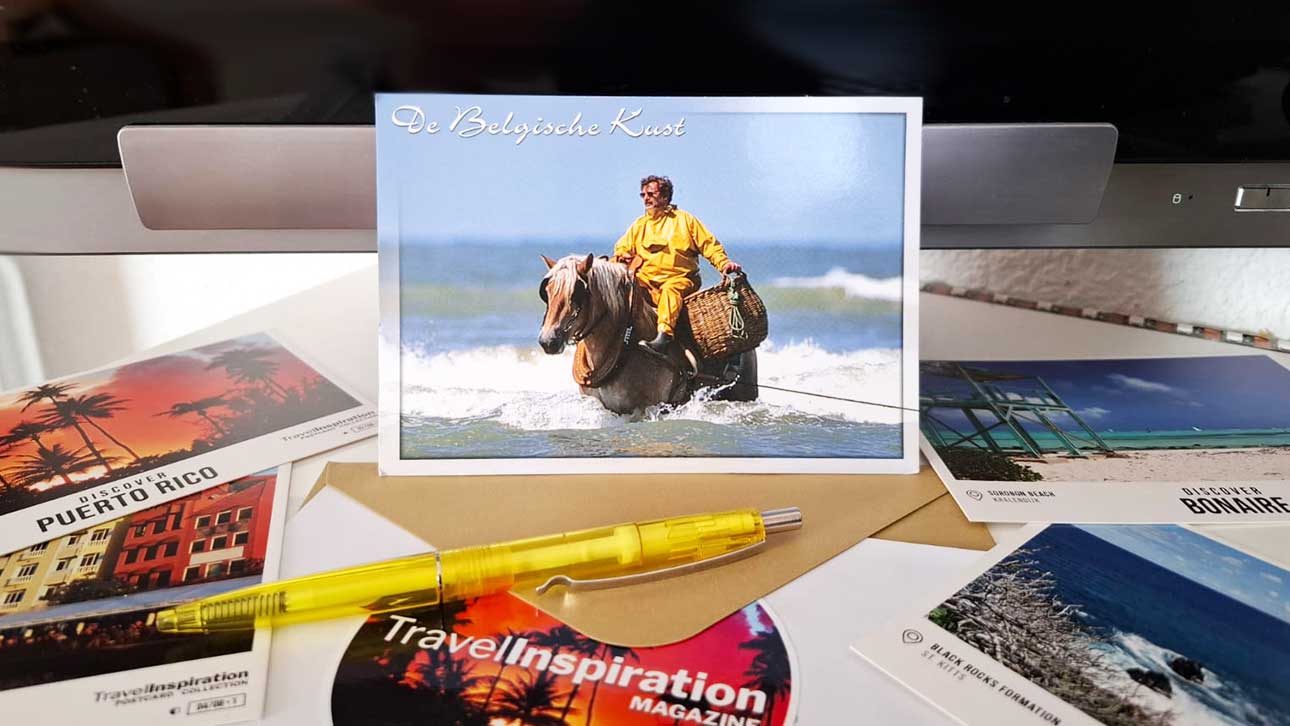
Hello, dear friends! Today, we received a beautiful postcard from Brussels, Belgium – thank you,...
Hello! 👋 If you have any questions, ideas, business proposals, or simply want to stay in touch, don’t hesitate to reach out to us:
Person: Adela Dvorakova
E-mail: adventure@travelinspirationmag.com


Hello there! 👋 If you have any questions, ideas, or business inquiries, or simply want to say hello, feel free to reach out. We’d be glad to connect and have you join us on this journey.
Happy reading!
Adela Dvorakova