![Български [BG]](/media/mod_languages/images/bg_bg.gif "Български [BG]")
![English [EN]](/media/mod_languages/images/en_gb.gif "English [EN]")
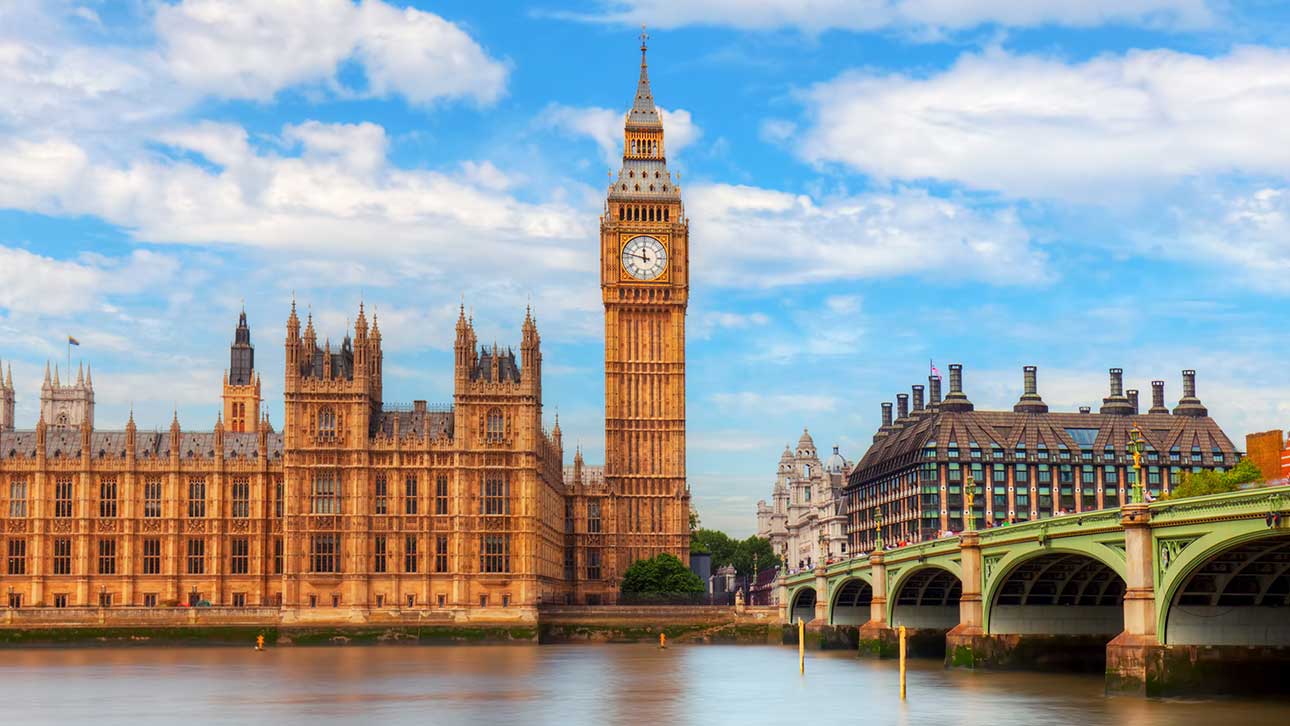
In the briefest (and most accurate) terms: England is one of the four countries within the UK; Great Britain is the island that contains England, Scotland, and Wales; the United Kingdom is the sovereign state that includes the island of Great Britain plus Northern Ireland. The formula that prevents 90% of mix-ups is simple: UK = Great Britain + Northern Ireland.
If you are planning a trip to London, booking a hotel in Edinburgh, or browsing a map of routes around Belfast, the chances of using terms like England, Great Britain, and the United Kingdom interchangeably are high. In everyday conversation, that often “passes” without consequences, but in the real world it matters – on airline tickets, addresses, official documents, news, sport, business, and even in how you come across to locals. The difference is not a quirk of geography; it is the result of centuries of political unions that reshaped the state more than once. That is why it helps to view the topic through both the map and the timeline.
The easiest way to picture it is as three “layers” of the same reality: England is a specific country with its own identity and capital, London; Great Britain is a geographical name for the island that brings together three countries; the United Kingdom is the sovereign state that governs that island plus Northern Ireland. And yes, that is why you can be “in the UK” without being on the island of Great Britain – for example, when you are in Northern Ireland. At Travel Inspiration Magazine, we love these “small truths” because they make travel clearer: you know exactly where you are, how to write it, how to search for it, and how to tell the story.
Advertisement
What is England, really?
England is one of the four countries that make up the United Kingdom, and in many ways it is the most recognisable part of the whole because London often dominates global ideas of what is “British”. England includes iconic places such as London, Oxford, Cambridge, Bath, Manchester, Liverpool, and Brighton, and it carries a large share of the country’s economic, media, and institutional weight. When people say “I’m going to England”, they often mean “I’m going to the UK”, but that is not accurate – because England is only one of the four constituent countries of the state.
There is also a cultural point that matters for travellers: people in Scotland, Wales, and Northern Ireland typically place strong value on their own identities and may react negatively if you label them “English”. England has its own history, accents, regional differences, and powerful national symbolism, but it does not exhaust what “British” means. In practical terms, if you are writing an article, a travelogue, or even an email, the safest choice is to say “England” when you are referring specifically to places and context in England, and “the UK” when you are referring to the state as a political whole.
What is Great Britain – a country or an island?
Great Britain is a term that is most often geographical rather than political: it refers to the island of Great Britain – the largest island in the British Isles – on which England, Scotland, and Wales are located. That is the key point: Great Britain includes three countries and their territories on the island, but it does not include Northern Ireland, because Northern Ireland lies on the island of Ireland. Many people get this wrong because “Great Britain” sounds like an official country name, but in everyday logic it is closer to the island’s outline – in other words, pure geography.
Even so, the term has a historical layer that often fuels the confusion. After the political union of England and Scotland in 1707, the state Kingdom of Great Britain was created – at that time, “Great Britain” was also a political name. Later, when Ireland joined the union, the name expanded to the United Kingdom. In modern usage, especially in travel and media contexts, Great Britain is usually shorthand for “the island of Great Britain”, not “the state of the UK”. If you want a precise mental model, think of it this way: Great Britain is a map; the UK is a passport.
Advertisement
What does the United Kingdom mean – what exactly is united?
The United Kingdom is the political and legal reality: it is the sovereign state recognised in international law, active in international organisations (and partnerships), with a government, a parliament, foreign policy, and citizenship. Its full official name is the United Kingdom of Great Britain and Northern Ireland, which explains the structure: the state includes Great Britain (the island with England, Scotland, and Wales) plus Northern Ireland. That is precisely why the formula UK = Great Britain + Northern Ireland is so useful – it translates a complex history into the language of territories.
One more thing matters, too: within the UK there is a specific system of governance in which some parts have their own devolved legislation and institutions, especially Scotland, Wales, and Northern Ireland. This does not mean they are separate sovereign states in the international-law sense, but it does mean that internally they have different powers and sometimes different rules in areas such as education, health, and local administration. For travellers, this can show up in small practical details – different institutional names, different symbols, sometimes different terminology in official communications, and often a different tone of local identity.
Where is “Britain”, and why do people say “Britannia”?
“Britain” is a term that in the media and everyday speech often serves as a shorter name for the UK, but that is more habit than perfect precision. Historically, Britain is linked to Great Britain and to ancient Britain (the Roman “Britannia”), yet today when you hear “British government”, “British passport”, or “British economy”, it almost always refers to the UK as a state. In that sense, “British” is a nationality/citizenship label, while “English”, “Scottish”, “Welsh”, and “Northern Irish” are more specific national identities within the UK. A person can be British and Scottish at the same time – and that is not a contradiction, but two different levels of identity.
A Travel Inspiration Magazine tip for bloggers: if you are writing a travel piece about London, “England” and “the UK” can appear together, but it should be clear in what sense you are using each term. If you are writing about a route such as “London – Edinburgh – Cardiff”, Great Britain can work as a geographical umbrella because everything is on the island. But if your route includes Belfast, you are talking about the UK, not only Great Britain. These nuances make the text both more accurate and more searchable because they match how people actually look for answers.
Advertisement
What is the difference on a map – who is where?
On a map, everything becomes straightforward if you picture Great Britain as a large island, and the UK as a state that covers that island plus a “slice” of the neighbouring island of Ireland. England lies mainly in the south and centre of the island, Scotland is in the north, and Wales is in the west – all three are on the same island: Great Britain. Northern Ireland, however, is on the island of Ireland, which explains why it is not part of Great Britain. This is where the classic mistake happens: people say “Great Britain” and automatically include Northern Ireland, but geographically that is not correct.
Worth noting: when you read travel guides, you will often see “Great Britain” used as a category for routes around the island (for example, the Scottish Highlands, Welsh national parks, and English cities), while “the UK” is used as a category for the state as a whole (including Northern Ireland). If you are planning a road trip, this clarity helps you search more precisely: “Great Britain road trip” often implies a loop around the island; “UK road trip” may include a ferry or crossing to Northern Ireland.
Advertisement
How did history create this “terminology mess”?
The reason there are so many terms is simple: borders and political unions in these lands have changed more than once, and each change left behind a new name that took on a life of its own. At the core is the idea of “crown” and “union” – different kingdoms that, in different periods, shared the same monarch or united through parliamentary acts. When you add politics to geography, and centuries of history to politics, you get a vocabulary that sounds like a maze, but in fact follows a clear logic.
What happened in 1707?
1707 is crucial because that is when England and Scotland united politically through Acts of Union, creating the Kingdom of Great Britain. This is the moment when Great Britain becomes not only a geographical term, but also an official state name. Wales, for its part, had been integrated earlier into English state structures, so within the new arrangement it sits inside the common framework of the island. This union reshaped the political map of Europe and laid the groundwork for a highly centralised state with enormous influence in the centuries that followed.
What happened in 1801?
In 1801, Ireland joined the union, creating the United Kingdom of Great Britain and Ireland. This is where “the United Kingdom” appears as a name that now includes not only the island of Great Britain, but the entire island of Ireland. That period matters because it provides the context for why Northern Ireland is later specified separately. In other words: the UK first includes Great Britain and all of Ireland, and then the structure changes.
What happened after 1922?
After 1922, most of Ireland became an independent state, and only Northern Ireland remained within the UK. That is where today’s official name comes from: the United Kingdom of Great Britain and Northern Ireland. This is why we have both Great Britain (the island with three countries) and the UK (the state with four countries). History is literally “locked” into the name – a rare case where a country’s official title functions almost as a summary of political evolution.
What are the “British Isles”, and why can the term be sensitive?
The British Isles is a geographical term for the archipelago that includes the island of Great Britain, the island of Ireland, and many smaller islands around them. At first glance it sounds neutral – just geography. But sometimes the term is sensitive because the word “British” can be perceived as political rather than purely geographical, especially in an Irish context. That is why, in more diplomatic or culturally careful writing, you may see alternative phrasings such as “Britain and Ireland” or “these islands”.
Which territories are “connected”, but are not part of the United Kingdom?
This is the “secret level” of the topic, and it confuses even people who are otherwise sure they can distinguish England from the UK. There are territories that fall under the British Crown or are historically and administratively linked to Britain, but are not part of the United Kingdom as a state. You can notice this in travel, too: you may arrive in places where British currency or British influence is visible, yet legally they have a different status.
What are the Crown Dependencies?
The Crown Dependencies are territories such as the Isle of Man, Jersey, and Guernsey. They are not part of the UK and are not represented as constituent parts of the state, but they are under the sovereignty of the British Crown and have their own self-government, legal systems, and often their own tax and administrative arrangements. From a travel perspective, that makes them especially interesting – close, yet distinct; “British” in look and feel, but with their own character and rules.
A Travel Inspiration Magazine tip for bloggers: if you are writing a travelogue or guide, it is fair to present them as separate jurisdictions rather than as “part of England”.
What are the British Overseas Territories?
The British Overseas Territories include places such as Gibraltar, Bermuda, the Falkland Islands, and others. They are not part of the UK, but they are under British sovereignty and have different degrees of autonomy. For travel, this matters because there can be different visa and border rules, different governance systems, and a distinct local identity. If you ever come across the phrase “British territory”, it does not automatically mean “in the UK” – it means “under British jurisdiction in some form”.
Which term should you use as a traveller?
The most useful approach is to choose the term based on what exactly you are describing: geography or statehood. If you are describing routes and landscapes on the island, use Great Britain because it is a geographical frame that brings together England, Scotland, and Wales. If you are describing state institutions, citizenship, politics, international relations, or the country as a whole, use the United Kingdom or the UK. And when you are writing about a specific place, the best choice is to name the constituent country within the UK: England, Scotland, Wales, or Northern Ireland – because that sounds both accurate and respectful of local identity.
Here are examples: in London you are in England and in the UK; in Edinburgh you are in Scotland and in the UK; in Cardiff you are in Wales and in the UK; in Belfast you are in Northern Ireland and in the UK, but you are not on the island of Great Britain. These details sound minor until you start planning a trip or even talking with locals – then they become key and give you confidence.
Frequently Asked Questions about England, Great Britain, and the United Kingdom
Are England and the UK the same thing?
No – and this is the most common mistake. England is only one of the four countries within the UK. The UK is the state as a whole and includes England, Scotland, Wales, and Northern Ireland. If you say “the UK”, you are referring to the sovereign state; if you say “England”, you are referring to a specific country within it, with its own culture, regions, and history.
Does Great Britain include Northern Ireland?
No. Great Britain is the island that contains England, Scotland, and Wales. Northern Ireland is part of the UK, but it is on the island of Ireland. That is why you can be “in the UK” without being “on Great Britain”, and that is exactly what confuses so many people.
Can I say “Britain” when I mean the UK?
In everyday speech it is common, and in most cases people will understand you correctly, especially in media contexts. But if you want maximum precision, “the UK” is the better term when you mean the state, while “Great Britain” is better when you mean the island.
Is Ireland part of the United Kingdom?
Only Northern Ireland is part of the UK. The rest of the island of Ireland is the independent state of the Republic of Ireland. Historically, this distinction follows the events after 1922, which changed the shape of the UK and led to the country’s current official name.
If you want to remember it forever, think in two axes: geography and statehood. England is a country (within the UK). Great Britain is an island (geography). The United Kingdom is a state (politics and citizenship). And when you plan your next trip – whether it is to London’s museums, the Scottish Highlands, or the shores of Northern Ireland – the right terms will help you search better, understand more deeply, and tell a more compelling story. It is a small distinction that turns “I was there” into “I understand where I was”.







Comments (0)
No comments yet.