
![Български [BG]](/media/mod_languages/images/bg_bg.gif "Български [BG]")
![English [EN]](/media/mod_languages/images/en_gb.gif "English [EN]")
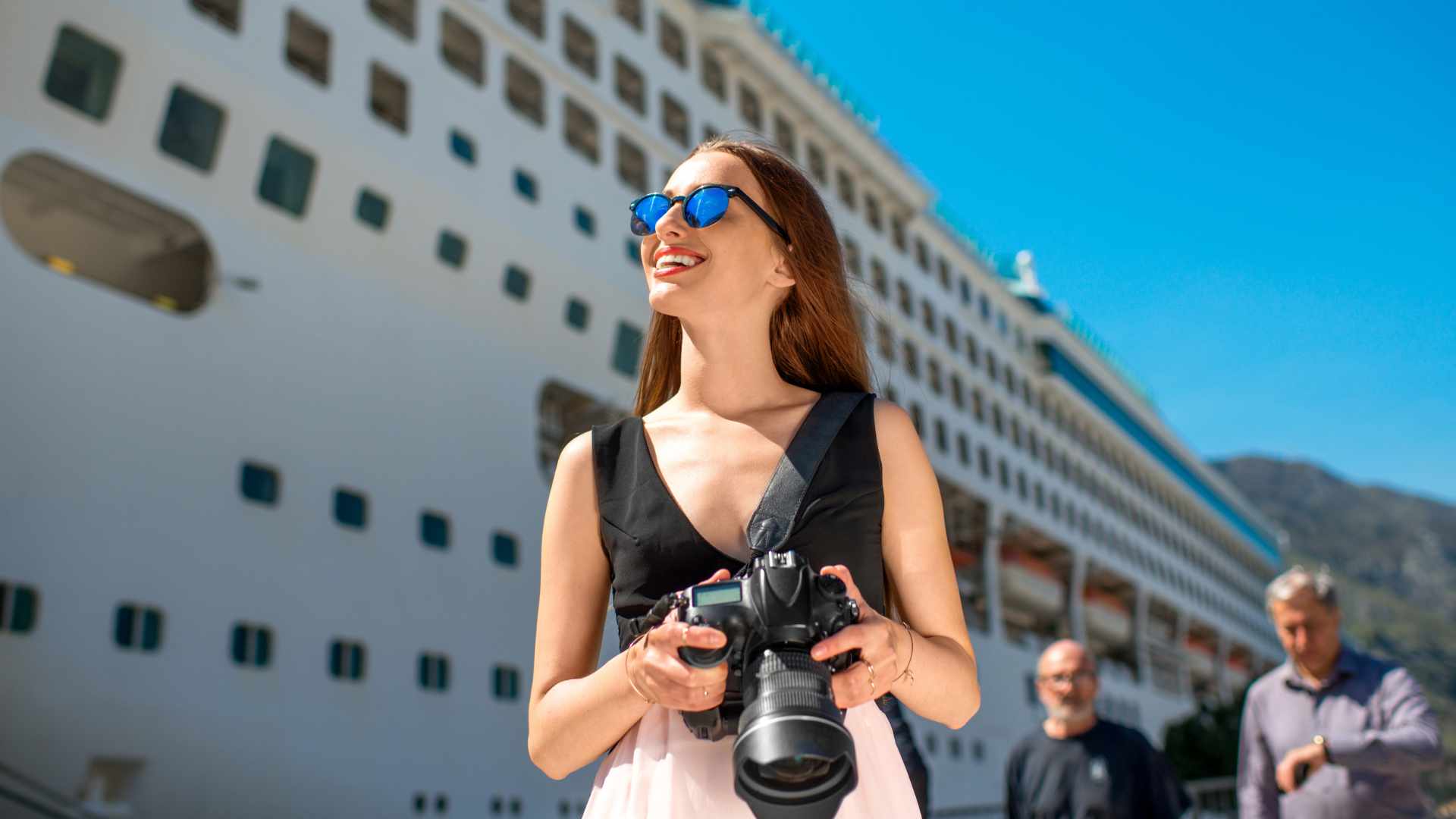
Setting sail toward new horizons always carries the promise of adventure. But when you start planning a cruise, one question inevitably arises: river cruise or ocean cruise? At first glance, both experiences may seem similar – a ship, new destinations, and life on board. In reality, however, these are two completely different journeys. In the following lines, you’ll discover the differences and which type of cruise could be ideal for you.
For some, a cruise is a peaceful ride through historic towns, where in the morning you wake up with a view of a cathedral, vineyards, or an ancient bridge. For others, it’s a massive ship crossing oceans, with dozens of restaurants, theatrical performances, and entertainment that lasts late into the night.
Both types of cruises offer unforgettable experiences, but the atmosphere, pace of travel, and the way you explore the world are entirely different. These details often determine whether a vacation will be simply good or truly memorable.
Advertisement
Small ships with character versus floating cities
River cruise ships are relatively small – usually around 110–135 meters long, with a capacity of 100 to 200 passengers. This allows them to navigate narrow rivers and canals, pass under bridges, and dock directly in the center of towns. The onboard atmosphere often resembles a boutique hotel – the crew knows the guests by name, and shared spaces are quiet and cozy.
Cabins are usually spread across a few decks and almost always feature a window or a French balcony. This means you can watch the scenery change from your room – the vineyards of the Rhine Valley, castles along the Danube, or quaint villages along the Seine.
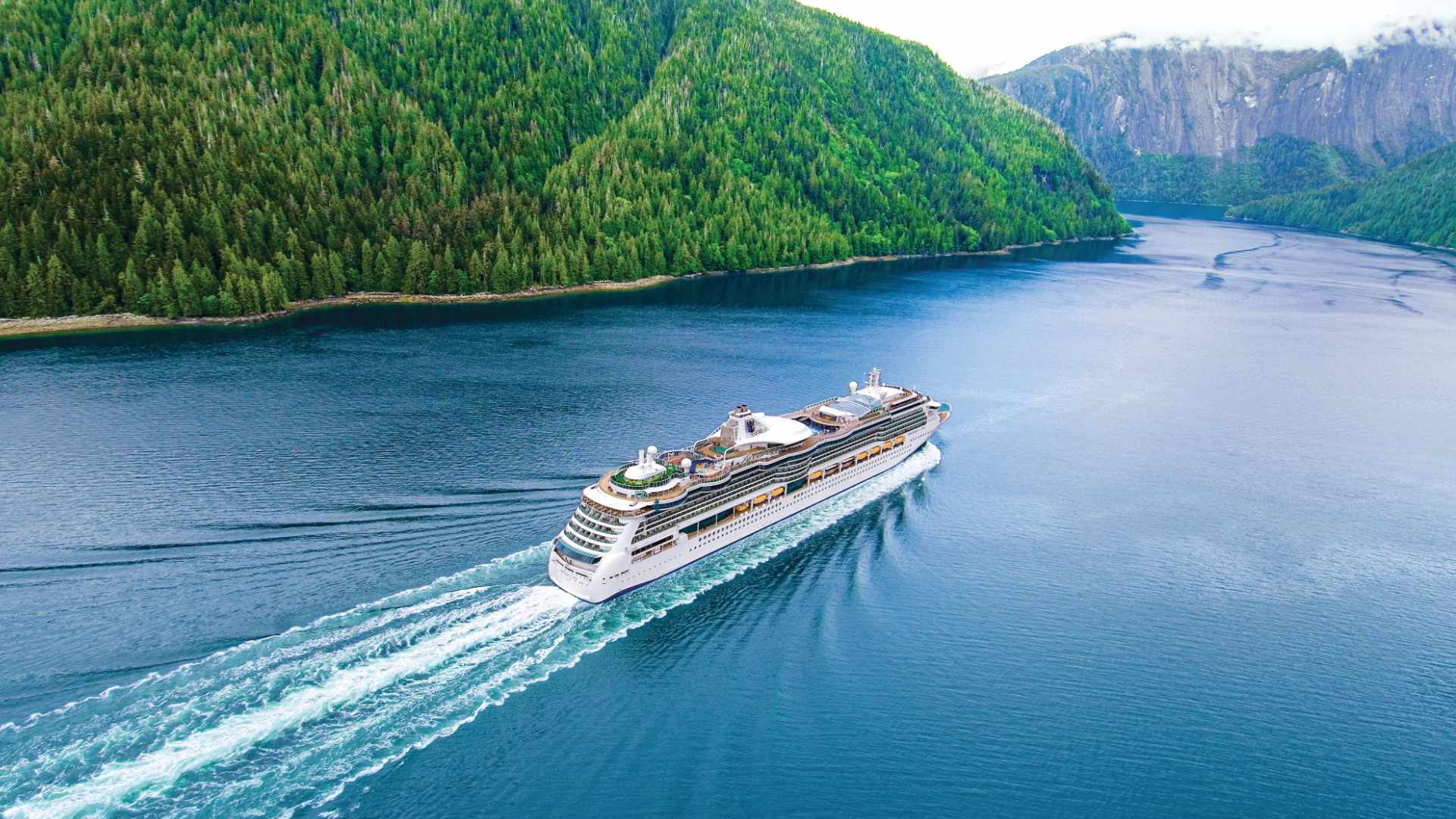
Ocean cruise ships, on the other hand, are true engineering giants. Some are over 350 meters long and accommodate more than 5,000 passengers. On board, there are dozens of restaurants, theaters, swimming pools, water slides, casinos, and even ice skating rinks. These ships are designed as floating resorts – a place where you could spend the entire day without ever stepping ashore.
This scale difference defines the overall experience. While a river cruise feels quiet and almost intimate, an ocean cruise is dynamic and full of energy.
Routes – the heart of the experience
One of the biggest differences between the two types of cruises is how you explore the destinations. On a river cruise, the ship literally moves through the heart of the continent. Sailing often takes place during the day, and the views constantly change – medieval castles, vineyards, small ports, and bustling city centers.
On the Danube, for example, you could wake up in Vienna, have breakfast on deck, and by the afternoon be strolling the streets of Bratislava. On the Rhine, the ship passes dozens of castles and the legendary Lorelei Rock, while along the Seine, you can easily reach Normandy and the beaches of World War II.
Ocean cruises cover much larger geographic areas. A single route can include multiple countries or even continents – the Caribbean, the Mediterranean, Alaska, or the Pacific. The ship often sails for days between ports, meaning more time on board and less direct contact with local life.
Additionally, ocean ports are sometimes located far from historic centers. This means transfers, organized excursions, and sometimes less free time for independent exploration.
Advertisement
The rhythm of life on board
River cruises have a slower, more contemplative pace. Days often start with coffee on deck as the ship glides past scenic landscapes. Then comes an excursion to a nearby town – a walking tour, museum visit, or local wine tasting.
Afternoons are peaceful – a lecture on regional history, chatting with fellow travelers, or simply watching the scenery go by. Evenings usually include a multi-course dinner and live music.
On ocean cruise ships, the schedule is more like a resort. You might start the day with yoga on deck, slide down a water slide, attend a Broadway-style show, and end the evening in a casino or nightclub.
Price – what you’re actually paying for
At first glance, ocean cruises often appear cheaper. But the base price usually covers only the cabin and basic meals. Drinks, internet, excursions, specialty restaurants, and gratuities are often additional.
River cruises are usually more expensive upfront but include many more services – excursions, drinks with meals, Wi-Fi, transfers, and even cultural programs.
So the real price difference is sometimes smaller than it seems at first glance.
Advertisement
Ship movement and comfort
Rivers are calm, and sailing is almost imperceptible. For those worried about seasickness, this is a huge advantage. The ship moves smoothly, without strong waves.
At sea, the situation is different. Modern ships are equipped with stabilizers that reduce rocking, but rough weather can still make movement noticeable.
Advertisement
Who each type of cruise is for
River cruises usually attract travelers who enjoy culture, history, and a relaxed pace. It’s a way to visit several cities without changing hotels and without rushing.
Ocean cruises are a great choice for families, groups of friends, or anyone looking for more entertainment and active life on board.
The truth is, there’s no universally “right” choice. Both types of cruises offer unique experiences. It all depends on whether you want to wake up with a view of a medieval riverside town or gaze at the endless horizon of the ocean.





Comments (0)
No comments yet.