
![Български [BG]](/media/mod_languages/images/bg_bg.gif "Български [BG]")
![English [EN]](/media/mod_languages/images/en_gb.gif "English [EN]")
Although it appears to be one vast, connected body of water, the World Ocean is far from level. We reveal the physics behind the “invisible step” between the planet’s two largest ocean basins and point to the exact locations in Panama where you can observe this phenomenon firsthand.
In the world of elite travel and scientific expeditions, the concept of “sea level” is less a fixed line and more a dynamic variable. Contrary to intuition, the surface of our planet is subtly contoured. Thanks to the precise satellite altimetry of NASA Science, it is now well established: the average level of the Pacific Ocean is about 20 centimeters higher than that of the Atlantic. This difference in elevation is not an optical illusion, but the result of a complex interplay of natural forces.
Advertisement
Why Is the Pacific Ocean Higher Than the Atlantic Ocean?
The key to this puzzle lies in density and temperature. The Atlantic Ocean is significantly saltier, which makes its waters “heavier” and more compact. In contrast, the Pacific Ocean is generally warmer and receives heavier rainfall, making its water less dense and causing its surface to “bulge” slightly. This phenomenon, combined with gravitational anomalies and large-scale ocean currents, maintains the persistent difference in sea levels that scientists at the National Ocean Service have studied for decades.
Where Can You See the Phenomenon in Person? The Miraflores Visitor Center
For travelers seeking intellectual inspiration, the Isthmus of Panama is the only place on Earth where this physical anomaly has been effectively harnessed by human engineering. The best vantage point is the Miraflores Visitor Center (coordinates: 8.995° N, 79.591° W). From its terrace you can observe not only the baseline level difference, but also the massive tides of the Pacific Ocean, which can reach up to 6 meters—an extraordinary contrast to the Atlantic’s modest tidal variations of about 60 centimeters just 80 km away.
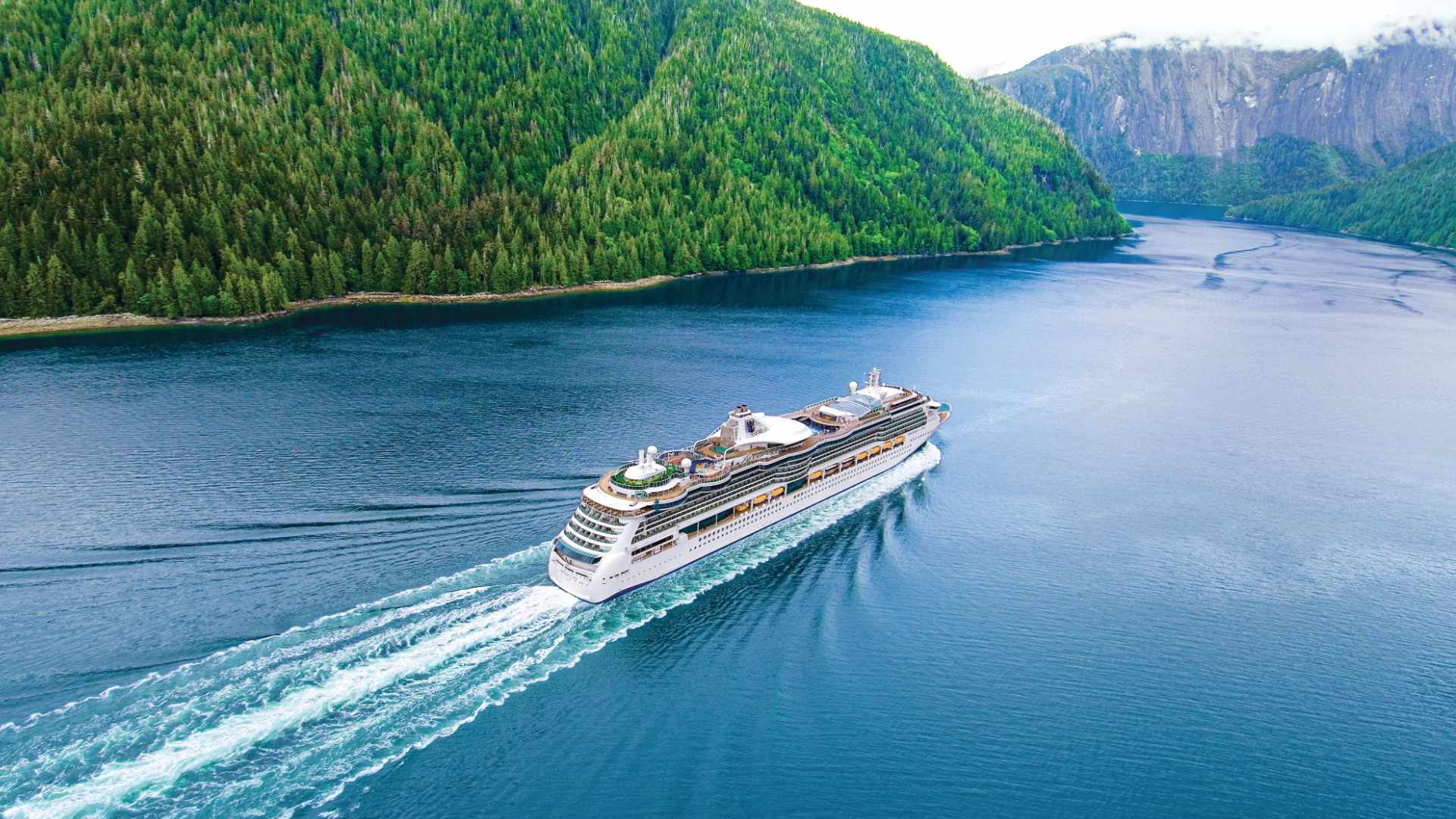
Crossing Panama is the highlight of any luxury cruise journey. Without the ingenious Panama Canal locks, navigation between the two oceans would be impossible due to the dangerous currents created by the difference in sea levels. A visit to the modern Agua Clara locks on the Atlantic side offers a close look at the monumental engineering that allows massive ships to effectively “climb” between ocean levels.
To fully appreciate the scale of this elevation difference, consider booking a private helicopter tour that crosses the continental divide in just minutes. For your stay, we recommend the historic gem Sofitel Legend Casco Viejo or the refined Hotel La Compañía in the heart of the Old Town. Here, colonial history meets sweeping ocean views, reminding us that the boundary between the Pacific and Atlantic oceans is one of the most dynamic and fascinating places on our planet.






Comments (0)
No comments yet.